US-Iran negotiations have stalled, according to Turkish Foreign Minister Hakan Fidan, after a June maritime security deal went unimplemented
Iran’s security chief Mohsen Rezaei set three conditions for peace: ending hostilities, unfreezing assets, and lifting the naval blockade
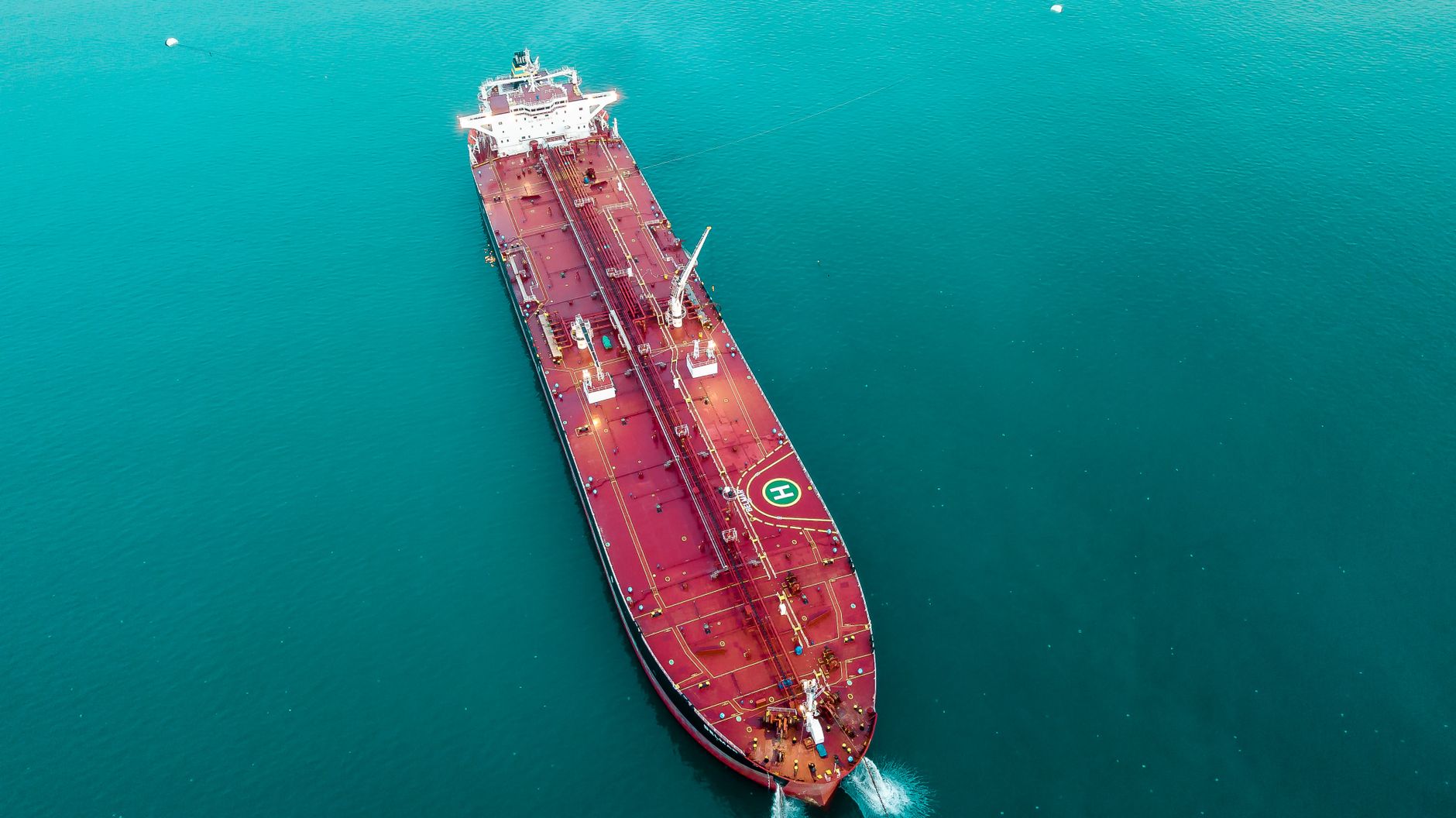
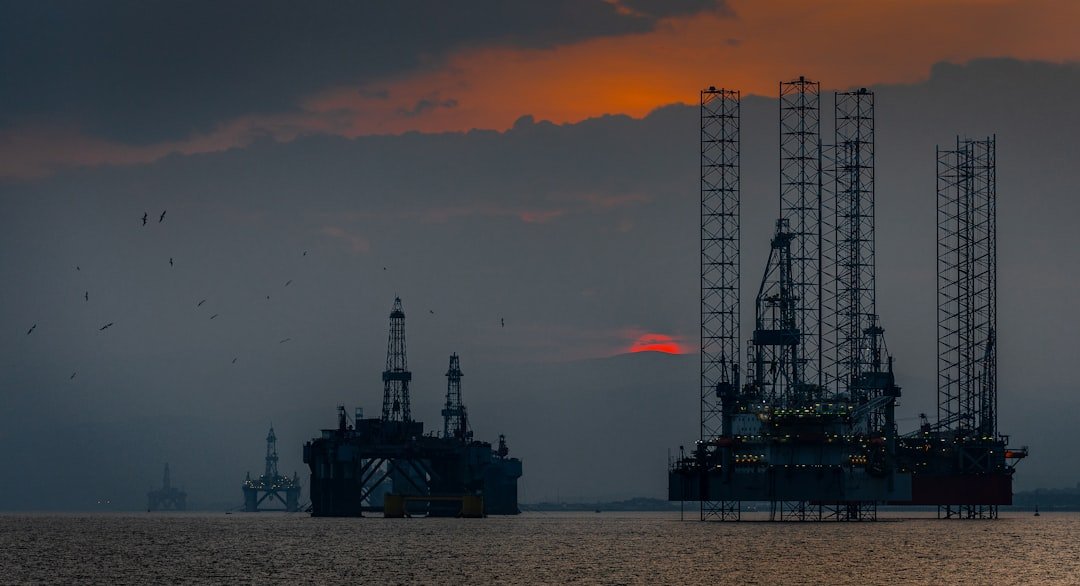
Brent crude is trading near $103 per barrel as the Strait of Hormuz and Bab el-Mandeb chokepoints face ongoing military threats
Diplomacy between Washington and Tehran has hit a wall, and the numbers on oil traders’ screens show they’re paying attention. Turkish Foreign Minister Hakan Fidan said on September 19 that ‘growing distrust’ between the US and Iran has paralyzed talks meant to de-escalate tensions in the Persian Gulf, following the failed implementation of a June memorandum on maritime security through the Strait of Hormuz. Brent crude is currently trading near $103 per barrel, a real-time market figure reflecting the risk premium baked into prices as regional chokepoints stay under threat.
Tensions Rise Along Strategic Trade Routes
Iran’s Supreme National Security Council secretary Mohsen Rezaei laid out three formal conditions delivered to the White House via Qatari mediators: an immediate end to the naval blockade of Iranian ports, release of billions in frozen assets, and a comprehensive ceasefire across all fronts. He warned continued pressure from the US and Israel could push Iran to reconsider its commitments under the Nuclear Non-Proliferation Treaty, and noted Iran has tested advanced anti-ship missiles near US carriers. Compounding the picture, Houthi forces struck Riyadh’s King Khalid International Airport, disrupting global aviation, while Turkey, Pakistan and Qatar continue mediating to prevent broader conflagration.
What This Means for Your Portfolio and Wallet
Every dollar move in Brent crude ripples into gasoline prices, airline fuel surcharges, and shipping costs worldwide. A stalled US-Iran channel combined with active Houthi strikes near critical chokepoints keeps a geopolitical risk premium embedded in energy prices, which can pressure household budgets through higher pump and utility costs even without a full-blown supply disruption.
Strategic Positioning & Defense Ideas
In periods of sustained Middle East uncertainty, energy-sector equities, commodities exposure, and traditional safe havens like gold have historically served as portfolio ballast. Maintaining diversification across asset classes and geographies remains a standard defensive approach when oil-route risk is elevated. Disclaimer: This analysis is for educational and informational purposes only and should not be construed as financial or investment advice.
What to Watch Next
Watch for any resumption of US-Iran back-channel talks, further Houthi activity near Saudi infrastructure, and Brent crude’s reaction as the conflict enters its sixth month. Full reporting via Stock Market Watch.