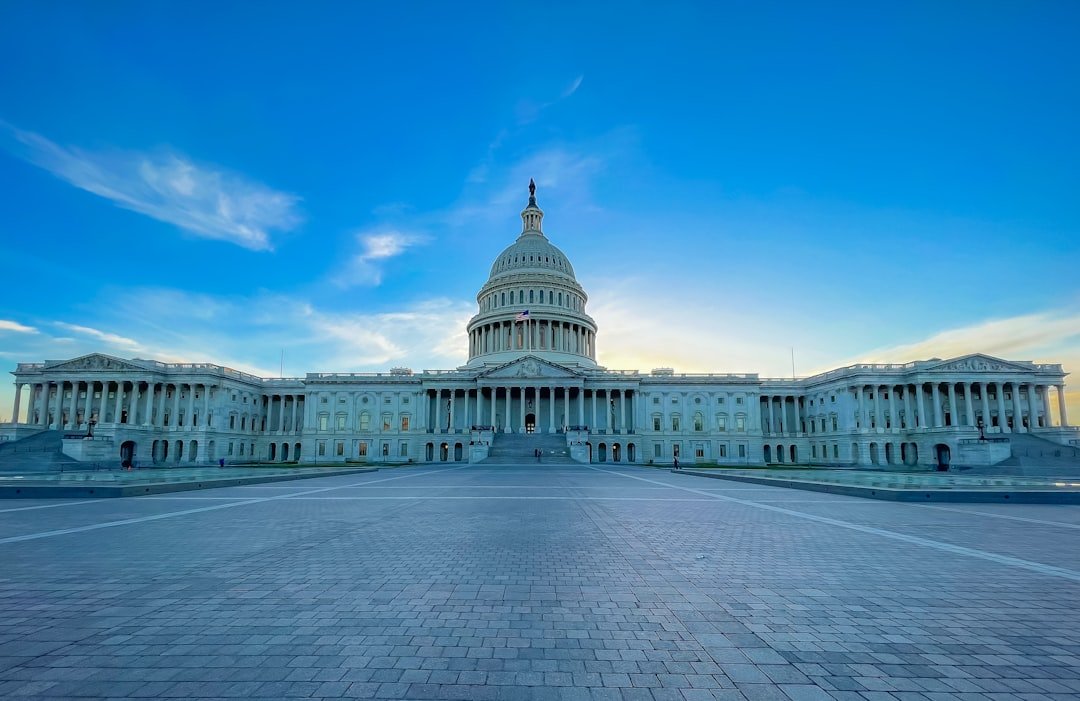
China’s Commerce Ministry criticized a new US law, signed Friday by President Trump, that authorizes tariffs on countries buying Russian petroleum products
The top five buyers of Russian petroleum, including China, India and Turkey, could face broad new tariffs under the measure
A high-stakes Trump-Xi summit is set for Thursday in Washington, with preparatory trade talks between Treasury Secretary Scott Bessent and Vice Premier He Lifeng happening Sunday in New York
Just days before Xi Jinping walks into the White House, Beijing decided to fire a warning shot over new sanctions instead. China’s Commerce Ministry said Saturday it has ‘consistently opposed’ unilateral and secondary sanctions lacking UN authorization, responding to a law President Trump signed Friday that authorizes tariffs on nations purchasing Russian petroleum products. That’s a confirmed, implemented action — the law is now signed — not a proposal still under debate.
Trade Talks Proceed Despite Rising Friction
The sanctions law is closely watched by Ukraine as it seeks stronger US backing in its war with Russia, and it names the top five purchasers of Russian petroleum products — a group that includes China, India and US allies like Turkey — as potential tariff targets. Critics of the measure argue it could extend to the entire European Union, since some EU members continue buying Russian energy. Despite the friction, diplomacy hasn’t stopped: Bessent and He Lifeng are set to lead talks on trade and other pressure points in New York on Sunday, ahead of the Trump-Xi summit scheduled for Thursday in Washington. China says it will ‘closely monitor’ Washington’s next steps while calling for stable trade ties through dialogue.
What This Means for Your Portfolio and Wallet
Tariff threats tied to Russian oil purchases add a fresh layer of uncertainty to global trade flows just as markets look for signs of a reciprocal tariff reduction framework between the US and China. Companies with supply chains touching sanctioned energy trade routes, or exporters in the named countries, face potential cost increases if the tariffs are enforced.
Strategic Positioning & Defense Ideas
Trade-policy uncertainty of this kind typically argues for diversified exposure across regions and sectors rather than concentrated bets on China- or Russia-linked trade flows, alongside monitoring currency and commodity markets for tariff-driven volatility. Disclaimer: This analysis is for educational and informational purposes only and should not be construed as financial or investment advice.
What to Watch Next
Watch Sunday’s Bessent-He Lifeng talks in New York and Thursday’s Trump-Xi summit for signs of whether tariff tensions ease or escalate further. Full coverage via Business Standard.