Enjoying this? Get one story like this in your inbox every morning — free, 2-minute read, zero spam.
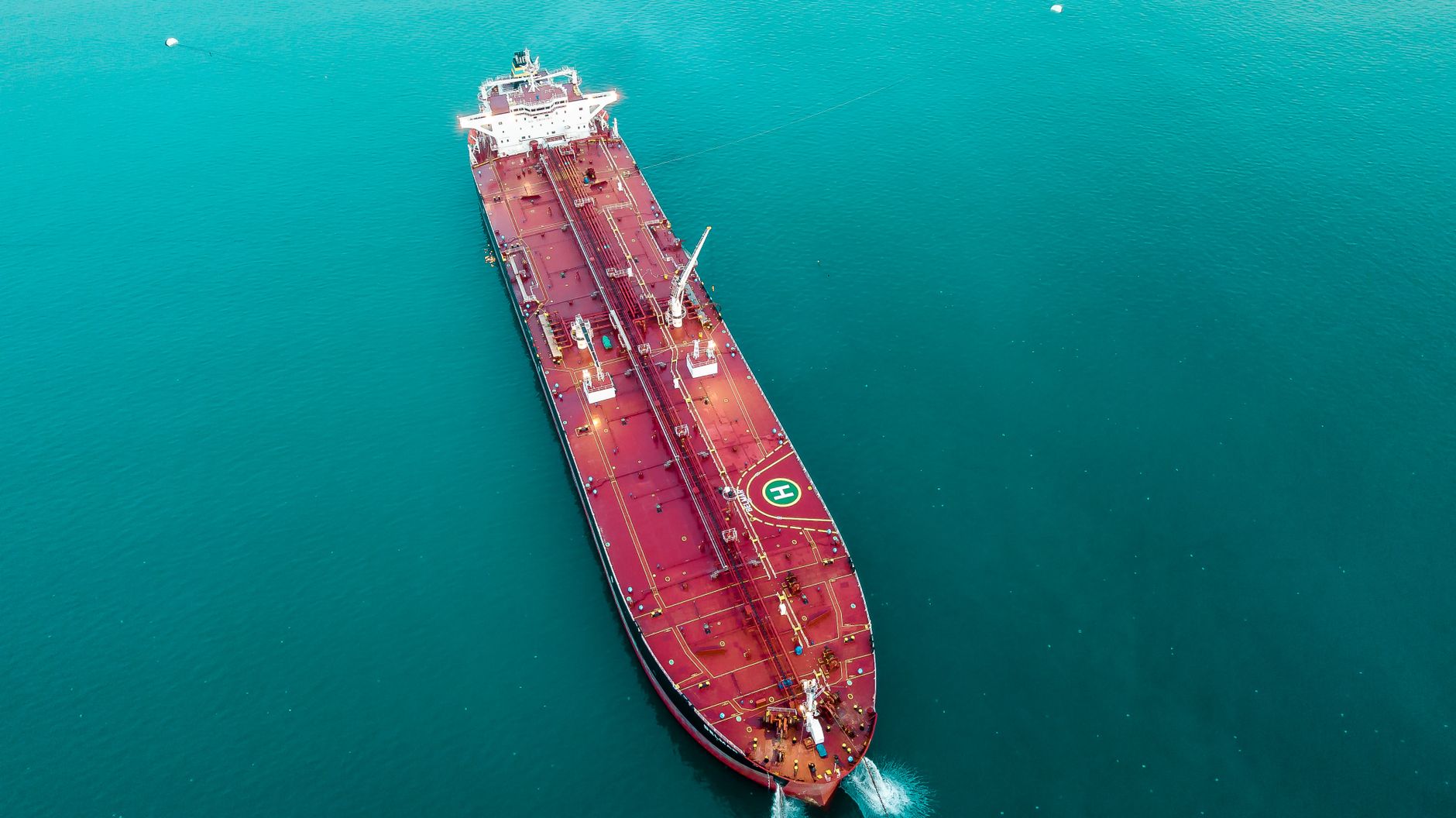
Photo by Alexander Bobrov on Pexels
⏱️ 3 min read
Key Takeaways
- US and Iran exchanged direct strikes for the first time in a month, with WTI crude jumping 2.8% to above $86 and Brent settling near $90.
- The US struck an Iranian island in the Strait of Hormuz on August 30; Iran retaliated with suicide drone attacks on a US base in Bahrain.
- A strike on a wedding ceremony reportedly killed four people, while gold fell to a three-week low despite the escalation.
Six months into a war many hoped had cooled, oil traders just got a brutal reminder that the Strait of Hormuz is still the world’s most dangerous chokepoint. After weeks of relative calm, the US and Iran exchanged fire again this week, and crude prices reacted instantly: West Texas Intermediate popped 2.8% in a single session to trade above $86 a barrel, while Brent crude settled near $90. These are actual implemented price moves reported from trading floors, not forecasts. President Donald Trump vowed to ‘hit them hard,’ telling reporters ‘there will be a response,’ while Treasury Secretary Scott Bessent said Washington would keep squeezing Tehran’s economy. Iran’s Central Bank Governor Abdolnaser Hemmati countered that the country still has ‘sufficient foreign currency’ reserves to withstand sanctions.
Tensions Rise Along Strategic Trade Routes
The mechanics of the flare-up are concrete and alarming. US Central Command confirmed it concluded a fresh round of strikes on Iranian air defense installations, radar systems and maritime assets. Iran responded by targeting US forces at Sheikh Isa Air Base in Bahrain using what state media described as ‘intensive attacks carried out by suicide drones.’ Separately, the UAE said it intercepted an Iranian drone over its territorial waters. A late-night strike on a wedding ceremony in southern Iran reportedly killed four people and wounded dozens, prompting Iran’s top negotiator, Mohammad Bagher Ghalibaf, to brand the US ‘Satan.’ Meanwhile, Iranian President Masoud Pezeshkian met Russian President Vladimir Putin at the SCO summit in Bishkek, floating cooperation against what he called US ‘unilateralism.’
What This Means for Your Portfolio and Wallet
Every dollar move in Brent and WTI ripples straight into pump prices, airline fuel surcharges and shipping costs tied to Hormuz transit, through which a large share of global oil flows. The 2.8% single-session crude spike is the kind of move that can nudge headline inflation gauges higher within weeks if sustained. Curiously, gold — usually the go-to safe haven in wartime — slid to a three-week low, suggesting traders are currently more focused on rate-hike risk than on geopolitical fear. That’s a signal worth watching: if Hormuz disruptions worsen, gold’s script could flip quickly.
Strategic Positioning & Defense Ideas
Standard playbooks for this kind of volatility include diversifying across asset classes rather than betting on a single safe haven, keeping a cash buffer for opportunistic buying if markets overreact, and watching energy-sector exposure given the direct link between Hormuz risk and crude pricing. Disclaimer: This analysis is for educational and informational purposes only and should not be construed as financial or investment advice.
What to Watch Next
Keep an eye on whether Iran escalates further against US allies in the Gulf, how OPEC+ producers respond to supply-disruption fears, and whether Washington’s economic pressure campaign prompts a return to the June negotiating framework Pezeshkian referenced. Full details are available via LiveMint and The Associated Press.
Sources: LiveMint, LiveMint, The Associated Press via Yahoo