
Enjoying this? Get one story like this in your inbox every morning — free, 2-minute read, zero spam.
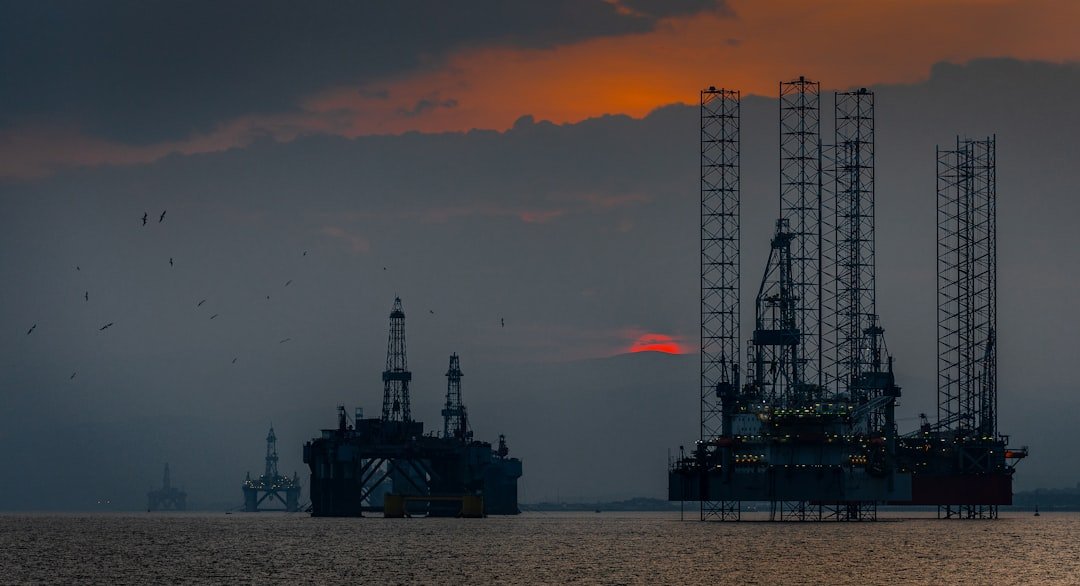
Photo by Yusuf Çelik on Pexels
⏱️ 3 min read
Key Takeaways
- Iran has announced 7 conditions for restarting negotiations with Washington, according to Supreme National Security Council Secretary Mohsen Rezaei
- Core demands include the release of frozen Iranian assets, an end to the war on ‘all fronts,’ and the lifting of the US naval blockade
- Qatar and Pakistan are acting as mediators, with Tehran saying it is now awaiting a response from Washington before any talks resume
Oil traders and energy desks have a new variable to price in: Tehran just put a number on its patience, and that number is seven. Iran’s Supreme National Security Council Secretary Mohsen Rezaei said Saturday that Iran has laid out seven conditions to restart talks with the US government, a demand list that comes as the ongoing Middle East conflict continues to weigh on global energy supply. These are proposed conditions from Tehran, not an agreed framework, and Washington has yet to publicly respond.
Tehran’s Terms and the Road to the Table
Rezaei, speaking to Al Jazeera, detailed some of the demands: the release of frozen Iranian assets, an end to fighting ‘on all fronts,’ a halt to US interference in Iran’s internal affairs, cessation of cooperation with opponents of Iran’s government, an end to any aggression against Iranian territory, and a lift on the naval blockade. ‘America must implement our conditions first, and only then can negotiations follow,’ Rezaei said. He confirmed Qatar and Pakistan are relaying the terms to Washington, with Tehran now waiting on a formal reply. On the nuclear front, Rezaei reiterated Iran remains bound by the fatwa of Ayatollah Khomeini, though he added the position ‘has not changed to this day’ without ruling out future shifts.
What This Means for Your Portfolio and Wallet
A prolonged naval blockade and continued fighting directly threaten shipping lanes that carry crude and refined products, meaning any escalation — or de-escalation — can swing energy prices fast. If talks stall further, expect continued volatility in oil-linked equities, airline stocks (sensitive to jet fuel costs), and inflation expectations that feed into consumer prices at the pump and beyond.
Strategic Positioning & Defense Ideas
Geopolitical flashpoints like this are textbook cases for holding a diversified mix of assets rather than betting the farm on any single macro outcome. Energy-sector exposure, a modest allocation to gold or other traditional safe havens, and maintaining some cash buffer for opportunistic buying during volatility spikes are standard educational approaches worth considering. Disclaimer: This analysis is for educational and informational purposes only and should not be construed as financial or investment advice.
What to Watch Next
Watch for any official US response to Iran’s seven conditions, further mediation updates from Qatar and Pakistan, and signals on whether Washington considers strikes against Houthi forces. Readers can follow ongoing developments via Livemint’s original reporting.
Sources: Livemint