
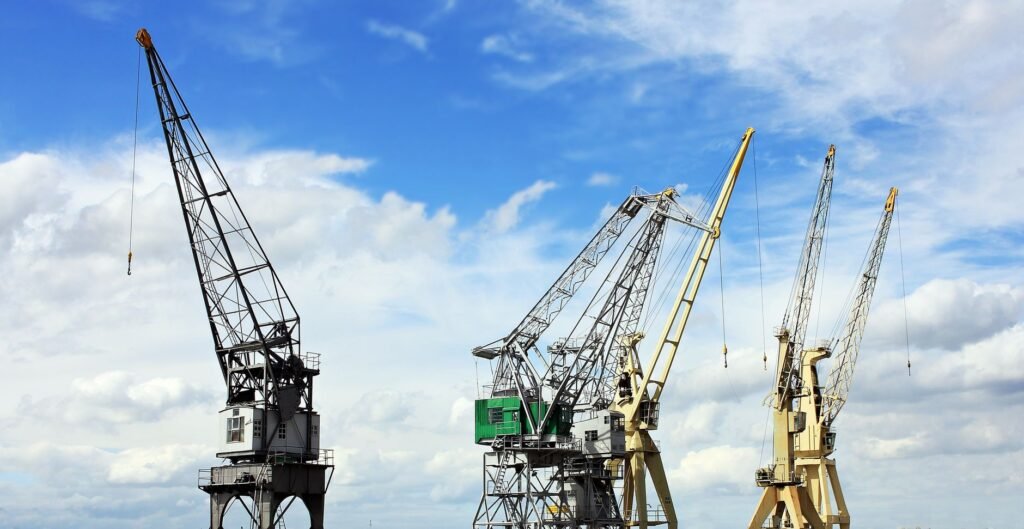
Audi’s $4 Billion Georgia Plant: What 15% Tariffs Mean for Imported Cars
Audi plans a $4 billion SUV plant in Georgia after US tariffs cost it 1.2 billion euros last year. Tariffs on German vehicles are now 15%, down from 25%, CNBC reports.
Audi plans a $4 billion SUV plant in Georgia after US tariffs cost it 1.2 billion euros last year. Tariffs on German vehicles are now 15%, down from 25%, CNBC reports.

A New Jersey food importer sued Oct. 20, 2026, over Trump’s 50% Section 338 tariffs on Canadian goods such as wine and honey. See what a 50% duty adds to import costs.
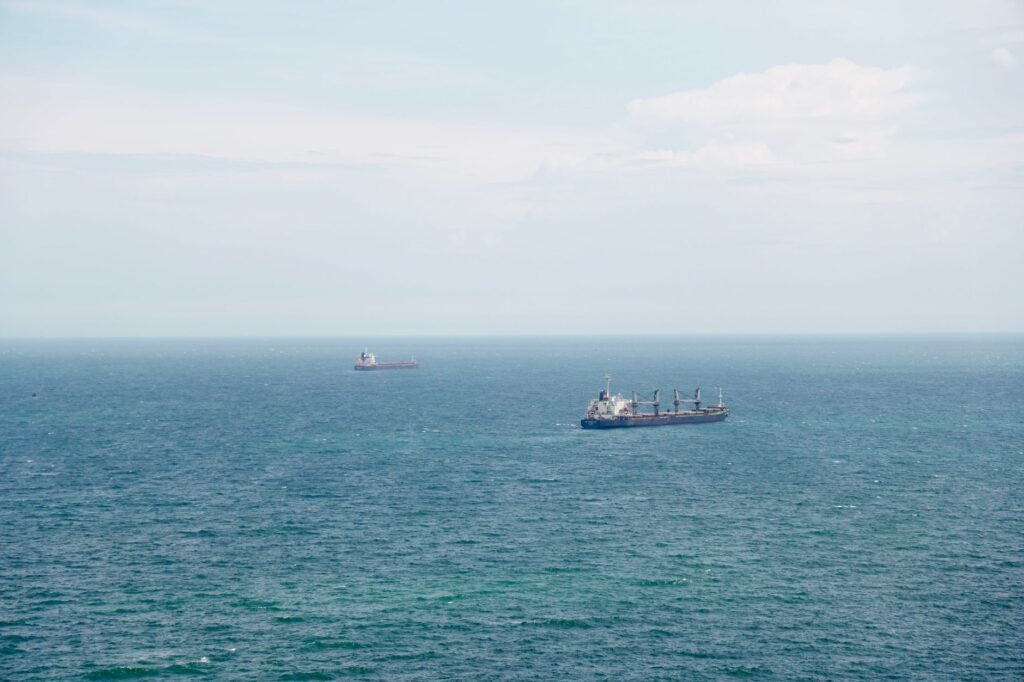
Brent crude traded around $105 a barrel this week while diesel stayed near $6.29 a gallon, AAA data shows. Business Insider reports tanker rates have more than quadrupled in a year, according to Fearnpulse.

Federal Reserve and JPMorganChase data show households aged 75 and older gained 37% in net worth since 2022, while those under 35 lost 23%. Here is what that gap means for US spending.
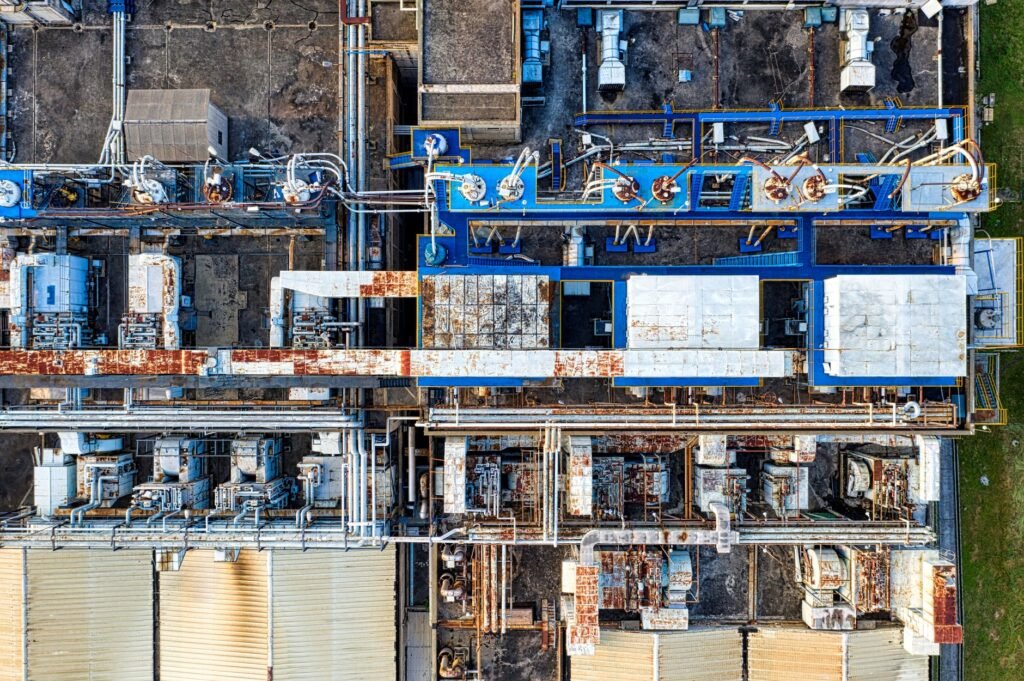
India’s manufacturing startup funding has rocketed from $164 million in 2020 to $1.92 billion in 2026 as supply-chain shifts and tariffs reshape global sourcing.
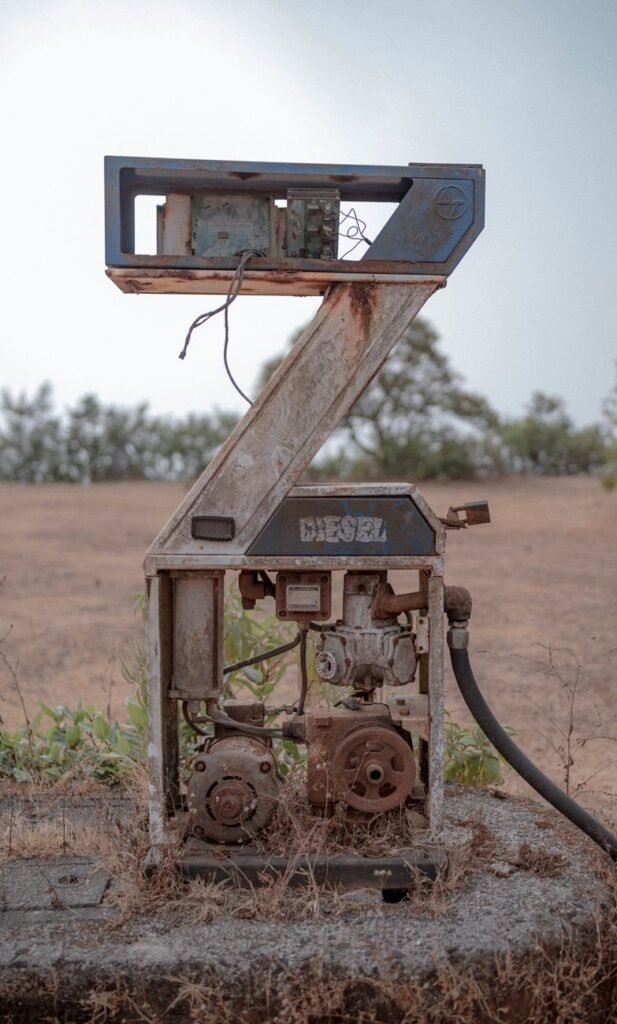
The US has authorized Russian diesel supplies worth millions of tons through April 2027, weeks after signing a law allowing 100% tariffs on Russian energy buyers.

Consumer sentiment falls for a third month, mortgage rates reach near three-year highs, and French bond yields spike as cracks widen across the global economy.

New York Fed research finds tariffs added up to 2.9 percentage points to US goods inflation, with prices otherwise set to fall through early 2026.

A new AMRO report finds Asean+3 economies dangerously exposed to an AI correction, with a potential 1.5 percentage point hit to 2027 growth. Here’s what it means for your portfolio.
Brent crude has averaged just $94 a barrel since the Iran conflict began, far below JPMorgan’s original $130 call, as global demand destruction and a widening Russian budget gap raise recession warnings.