
Enjoying this? Get one story like this in your inbox every morning — free, 2-minute read, zero spam.
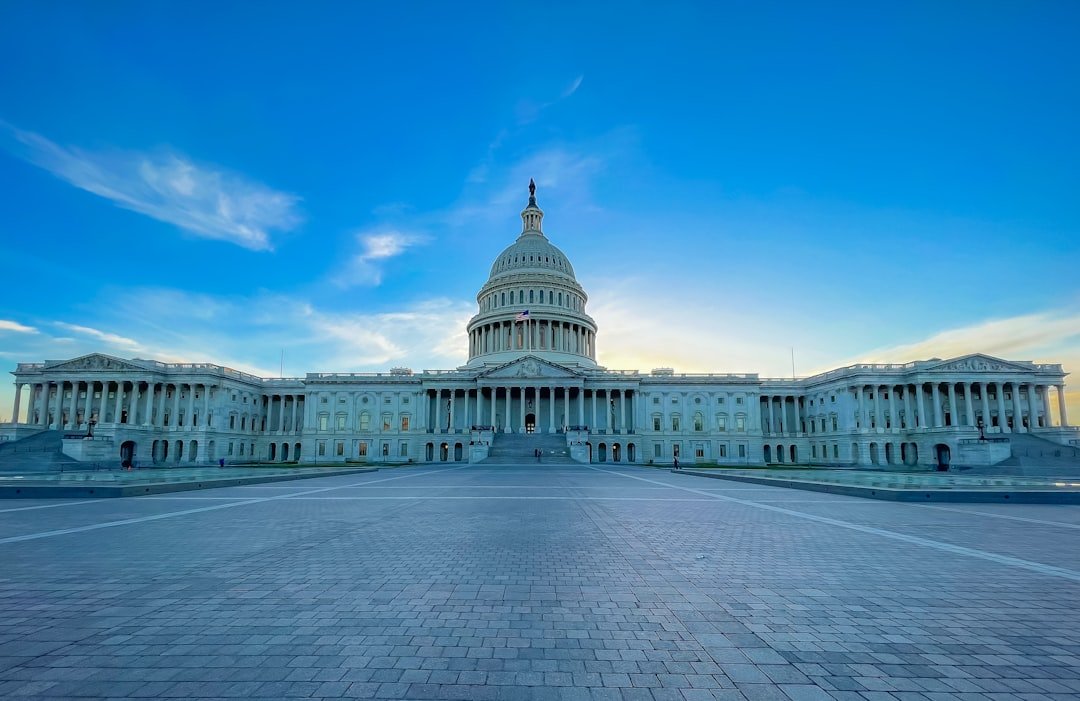
Photo by Abraham Moreno on Pexels
⏱️ 3 min read
Key Takeaways
- US tariffs on Chinese goods peaked at 145% before a Geneva deal cut them to 30%, while China’s retaliatory tariffs fell from 125% to 10%
- Chinese President Xi Jinping will hold a state visit to Washington from September 23-25, meeting Trump on September 24, to extend a trade truce expiring in November
- Hong Kong’s Hang Seng Index and mainland ChiNext Composite rose Monday as investors priced in a potential extension of the truce
Nineteen months, two tariff peaks near 150%, and one fragile truce hanging by a thread — that’s the scoreboard heading into Thursday’s Trump-Xi summit. According to Reuters’ timeline via The Hindu BusinessLine, the trade war reignited in February 2026 when Trump imposed a 10% duty on Chinese goods over fentanyl and immigration concerns, prompting Beijing to hit back with levies on US coal, LNG, crude oil and autos, plus export curbs on five metals critical to defense and clean energy. These are confirmed historical tariff actions, not projections.
From 10% Duties to a 145% Tariff Peak
The escalation accelerated fast: fentanyl tariffs doubled to 20% in March, drawing 10%-15% Chinese levies on $21 billion worth of US agricultural exports. April’s ‘Liberation Day’ tariffs slapped 34% on Chinese goods, triggering a tit-for-tat spiral that pushed US tariffs to 84% then 125%, while China’s climbed to matching 84% then 125% levels. A May Geneva deal brought a 90-day pause, cutting US tariffs to 30% from 145% and China’s to 10% from 125% — later extended another 90 days in August. By October, China widened rare-earth export controls, and Trump responded with an additional 100% tariff plus export controls on critical software. Now, Xi is set to visit Washington September 23-25, with the Trump-Xi meeting itself on September 24, as both sides work to extend the truce before its November expiration. Ahead of the summit, US and Chinese officials held what were described as ‘candid, in-depth and constructive’ talks in New York covering tariffs and AI issues.
What This Means for Your Portfolio and Wallet
Markets are already reacting: Hong Kong and mainland Chinese stocks rose Monday, led by technology, healthcare, and property shares, as investors bet on truce extension rather than renewed escalation. Any breakdown in talks could reignite tariff-driven cost pressures on US importers and Chinese exporters alike, while a successful extension could unlock further gains in China-exposed equities.
Strategic Positioning & Defense Ideas
Given the binary nature of this summit’s outcome, investors with China-linked exposure might consider hedging with diversified regional allocations, watching currency moves in the yuan, and keeping some dry powder in cash to react to summit headlines. Disclaimer: This analysis is for educational and informational purposes only and should not be construed as financial or investment advice.
What to Watch Next
All eyes are on the September 24 Trump-Xi meeting and whether the truce gets extended past its November deadline. Follow ongoing coverage via Reuters, The Hindu BusinessLine, Business Standard, and The Economic Times.
Sources: The Hindu BusinessLine (Reuters), Business Standard, The Economic Times, The Hindu BusinessLine