
Enjoying this? Get one story like this in your inbox every morning — free, 2-minute read, zero spam.
Photo by Life Of Pix on Pexels
⏱️ 3 min read
Key Takeaways
- BRICS adopted a joint declaration on September 12, 2026 at the 18th summit in New Delhi, urging ‘maximum restraint’ in the US-Iran conflict without naming any country directly.
- Saudi Arabia has already cut oil production by roughly 25% month-on-month to 6 million barrels per day (mbd) in August, and a pipeline outage now threatens a loss of 4% of global oil supply.
- The declaration also criticized ‘unilateral tariff and non-tariff measures’ and called for restoring the WTO’s Appellate Body, which has been non-functional since December 2019.
Gas station prices and refinery margins are quietly telling a story that diplomats are trying hard not to spell out. On September 12, 2026, the BRICS bloc — Brazil, Russia, India, China, South Africa, Egypt, Ethiopia, Indonesia, Iran and the UAE — adopted a joint declaration at its 18th summit in New Delhi expressing ‘deep concern’ over the ongoing US-Iran war and calling for ‘maximum restraint.’ This is a confirmed, implemented diplomatic action, not a proposal. But the bloc notably failed to reach consensus condemning US actions against Iran, since member states Iran and the UAE sit on opposite sides of the conflict. Meanwhile, on the ground, the numbers are getting uglier: Saudi Arabia has cut production by about 25% month-on-month to 6 million barrels per day (mbd) in August, and a shutdown of the kingdom’s East-West pipeline threatens to remove as much as 4% of global oil supply, according to industry estimates cited by refiners.
Tensions Rise Along Strategic Trade Routes
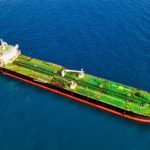
Iran closed the Strait of Hormuz in response to a February attack attributed to the US and Israel, a move that has already pushed energy costs higher across Asia. Now Iran-aligned Houthi forces are separately targeting Saudi oil shipments through the Red Sea, compounding the Hormuz bottleneck with a second chokepoint. Indian refiners say they can bridge immediate gaps using existing inventories, but industry executives describe the outlook as ‘grimmer than in the early weeks of the war,’ warning there is ‘little visibility on how the conflict will unfold.’ Attacks on Russian ports have further disrupted crude exports, shrinking the global buffer available to absorb additional shocks. On the trade-policy side, the BRICS declaration also took aim — without naming names — at ‘indiscriminate’ tariff increases (widely read as a reference to US measures) and the EU’s Carbon Border Adjustment Mechanism, alongside a call to restore the WTO’s two-tier dispute settlement system, dormant since December 2019.
What This Means for Your Portfolio and Wallet
A 25% output cut from one of the world’s largest producers, layered on top of two separate shipping chokepoints under threat, is the kind of setup that historically pushes crude and refined fuel prices higher at the pump. Energy-heavy portfolios and airlines, shipping firms, and consumer discretionary names sensitive to fuel costs could see margin pressure if the 4% global supply loss materializes and persists. Import-dependent economies across Asia, already grappling with elevated energy bills since the Hormuz closure, may see further currency and inflation pressure, which can ripple into higher import costs for everyday goods.
Strategic Positioning & Defense Ideas
With visibility on the conflict’s resolution described by insiders as essentially zero, diversification across energy, defensive sectors, and traditional safe havens like gold remains a standard educational approach to managing volatility tied to supply-shock headlines. Holding some cash allocation for flexibility, rather than chasing energy price spikes, is another commonly discussed hedge when physical supply data is this uncertain. Disclaimer: This analysis is for educational and informational purposes only and should not be construed as financial or investment advice.
What to Watch Next
Watch for updates on the Saudi East-West pipeline repair timeline, any escalation or de-escalation around the Strait of Hormuz, and whether Houthi activity in the Red Sea intensifies further. Also worth tracking: how the US responds to the BRICS declaration’s veiled criticism of its tariff and sanctions policy. Full details are available via The Cradle (republished by ZeroHedge), Business Standard, and The Economic Times.
Sources: ZeroHedge / The Cradle, Business Standard, The Economic Times