President Trump confirmed the US will not strike Iran before the November 3 midterms, citing ‘productive’ diplomatic talks.
A record 22 million barrels of non-Iranian oil flowed through the Strait of Hormuz in a single night, even as a US naval blockade of Iranian ports stays in place.
Global oil prices have surged above $100 per barrel, and US gas prices have climbed more than $1.00 per gallon since the conflict began in February 2026.
Drivers paying an extra dollar a gallon just got a political answer for why the pain isn’t ending yet. President Donald Trump announced via Truth Social that the US will not launch strikes against Iran before the November 3 midterm elections, pointing to what he called ‘productive’ diplomatic discussions. The statement lands as global oil prices sit above $100 a barrel and gas prices have risen more than $1.00 per gallon since the Iran conflict escalated in February 2026 — a real, implemented cost increase already hitting pumps, distinct from any future projections about how the war might end.
Record Oil Flows Collide With an Ongoing Blockade
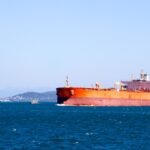
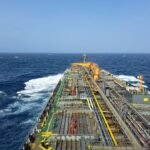
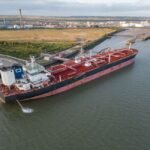
Even with strikes paused, the military and economic pressure campaign continues. Trump highlighted that 22 million barrels of oil moved through the Strait of Hormuz in a single night recently, stressing that none of it originated from or was bound for Iran — a sign the US-led naval blockade, in place since February 2026, is still functioning. Shippers are increasingly relying on nighttime convoys escorted by the US Navy, but analysts at firms like Kpler note insurance rates and charter costs for Very Large Crude Carriers have hit multi-year highs due to ongoing drone and missile threats in the region.
What This Means for Your Wallet
The dollar-a-gallon jump at the pump since February is already a real, implemented cost for households, not a forecast. Higher fuel costs ripple into trucking, shipping and ultimately grocery and retail prices, since nearly everything on a store shelf travels by truck or ship at some point. With oil above $100 a barrel, expect continued pressure on heating costs and airfares as well, particularly heading into the winter travel season.
Why It Works This Way
Oil prices move fast on geopolitical risk because markets price in the probability of supply disruption long before any barrel is actually blocked — insurance premiums and shipping costs rise simply from the threat of attacks, not just actual losses. That premium gets passed down the supply chain to the gas pump within days or weeks. A practical step this week: check your local gas price against the national average on a fuel-tracking app to see how much of the regional premium reflects this conflict versus normal seasonal patterns. Disclaimer: This analysis is for educational and informational purposes only and should not be construed as financial or investment advice.
What to Watch Next
Watch for any shift in the diplomatic talks Trump described as productive, further Strait of Hormuz transit data, and whether gas prices ease as he has suggested could happen after the midterms. Full details via Stock Market Watch and The Economic Times.