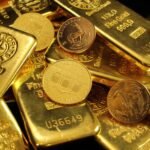
Spot gold climbed 1.4% to $4,189.99 an ounce, with US December gold futures also up 1.4% to $4,215.30 an ounce, putting bullion on track for a weekly gain.
The rally was driven by cooling oil prices, after Trump said the US would not strike Iran before the midterm elections, combined with a softer US dollar.
Platinum and palladium both jumped more than 3%, as markets weigh the likelihood of a Federal Reserve rate hold.
Gold just got a double tailwind, and it came from two places investors weren’t necessarily expecting at the same time: cooling oil and a weaker dollar. Spot gold rose 1.4% to $4,189.99 an ounce by 0842 GMT on Friday, heading for a weekly gain, while US gold futures for December delivery also added 1.4% to trade at $4,215.30 an ounce. Both figures are real, implemented market prices as of Friday’s session, not projections.
Why Oil, the Dollar and Gold Are Suddenly Moving Together
The rally traces back to oil prices easing after President Trump said Washington would not attack Iran before the November midterms, which eased fears of a deeper Middle East supply shock. ‘This strengthens the case for a Fed hold this month, weighing on the greenback and pulling yields back from their highs, creating prime conditions for a bullion recovery,’ said Nikos Tzabouras, senior market analyst at Jefferies-owned Tradu.com. A softer dollar makes gold cheaper for buyers holding other currencies, amplifying demand. The move wasn’t limited to gold: platinum and palladium both jumped more than 3% in the same session, suggesting broader strength across precious metals rather than a gold-only story.
What This Means for Your Wallet
Gold prices don’t directly change your grocery bill, but the forces moving it — a softer dollar and expectations the Federal Reserve will hold rates rather than hike further — matter for everyone. A weaker dollar can make imported goods pricier over time, while a Fed pause, if it materializes, would mean mortgage, credit card and auto loan rates are less likely to climb further in the near term, offering a bit of breathing room for borrowers juggling existing variable-rate debt.
Why It Works This Way
Gold is priced in dollars globally, so when the dollar weakens, it automatically takes fewer units of other currencies to buy the same ounce, which tends to boost demand and price. Gold also tends to rally when investors expect central banks to ease off rate hikes, since gold pays no interest and becomes relatively more attractive when the returns on cash and bonds are expected to stop climbing. A practical step this week: if you’re comparing loan offers, check whether the rate quoted is tied to a Fed-sensitive benchmark, since a pause in Fed hikes could mean less upward pressure on that number going forward. Disclaimer: This analysis is for educational and informational purposes only and should not be construed as financial or investment advice.
What to Watch Next
Markets will watch upcoming Federal Reserve commentary for confirmation of a rate hold, along with any further developments in Middle East oil supply risk that could reverse the recent easing in crude prices. Check the original Reuters reporting via The Hindu BusinessLine for live price updates.