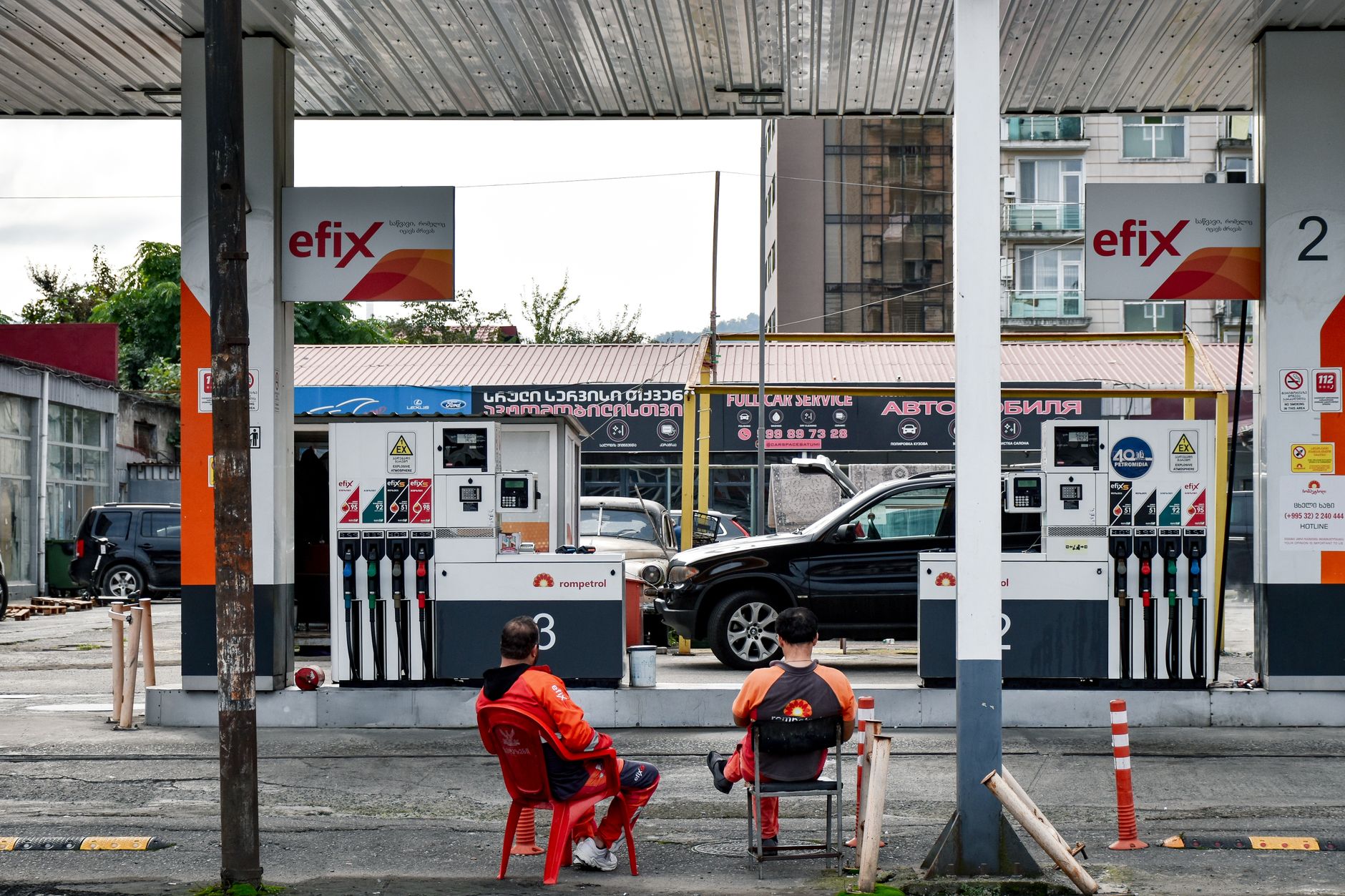
Filling the tank and paying other energy costs got more expensive again last month. The Bureau of Labor Statistics reported on October 14, 2026 that the consumer price index rose 3.7% in September from a year earlier. That is up from a 3.4% annual pace in August.
What pushed the inflation rate higher
According to CNBC’s coverage of the BLS report, rising inflation is largely due to the Iran war. The war has pushed up prices for oil and the fuels refined from crude, such as gasoline, diesel and jet fuel. Core CPI, which strips out the more volatile food and energy prices, climbed to 2.6% in September from 2.4% in August. Economists cited by CNBC also pointed to three other sources of upward pressure: tariffs, the construction of artificial intelligence data centers, and strong consumer demand in categories like travel. ‘The overall report shows inflation is uncomfortably strong,’ said Mark Zandi, chief economist at Moody’s. ‘The war’s fingerprints are all over the report,’ he said. ‘It’s driving a lot of the inflationary pickup.’
How a war abroad turns into a higher borrowing cost at home
The chain runs in several steps. Higher prices for gasoline, diesel and other fuels feed directly into the CPI. At the same time, Treasury bond yields have increased sharply in recent months, CNBC reported. Those yields put upward pressure on rates for mortgages, auto loans and other consumer debt. The Federal Reserve uses interest-rate policy to control the path of inflation. According to CNBC’s reporting, it may choose to raise its benchmark rate at upcoming meetings to rein in persistently high inflation. That benchmark rate has a direct effect on credit card rates and influences other borrowing costs too.
Our math: what the acceleration costs a household budget
Here is an illustration, not a forecast. Picture a household spending $3,000 a month on the everyday goods and services the CPI tracks. Over a year that is $36,000 ($3,000 times 12 months).
At August’s 3.4% annual pace, the same purchases would cost about $1,224 more over a year ($36,000 times 3.4%). At September’s 3.7% pace, they would cost about $1,332 more ($36,000 times 3.7%). The difference is about $108 a year ($1,332 minus $1,224). That gap is tied to the 0.3-point acceleration the BLS reported between the two months.
Core inflation of 2.6% is lower than the 3.7% headline rate. That gap reflects how fast food and energy prices rose. It does not show how much of a budget goes to those items.
What to check this week, and what happens next
Readers with credit card balances may want to review their current rates. CNBC notes that the Fed’s benchmark rate has a direct impact on credit card rates. It is also worth checking the terms of any mortgage or auto loan, since higher Treasury yields have been pushing those rates up. Watch for two things next. The first is the Federal Reserve’s upcoming policy meetings, where officials will decide whether to raise the benchmark rate. The second is the BLS’s next CPI report, which will show whether energy prices keep driving the headline rate higher. Source: Bureau of Labor Statistics CPI report for September 2026, as reported by CNBC on October 14, 2026. Disclaimer: This analysis is for educational and informational purposes only and should not be construed as financial or investment advice.