
Enjoying this? Get one story like this in your inbox every morning — free, 2-minute read, zero spam.
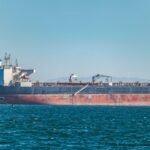
Photo by Zifeng Xiong on Pexels
⏱️ 4 min read
Key Takeaways
- President Trump signed the Sanctioning Russia and Iran Act (H.R. 5334) into law, authorizing tariffs of up to 100% on countries buying Russian oil and gas, including India and China
- Iran’s Revolutionary Guard claimed to strike a tanker near the Strait of Hormuz, with roughly 60 million barrels of Iranian oil trapped on sanctioned vessels and 105 commercial ships redirected by CENTCOM
- The Fed’s benchmark rate now sits at 3.75%-4.00% after Kansas City Fed President Jeffrey Schmid backed a 25-basis-point hike, citing inflation trending above 3%
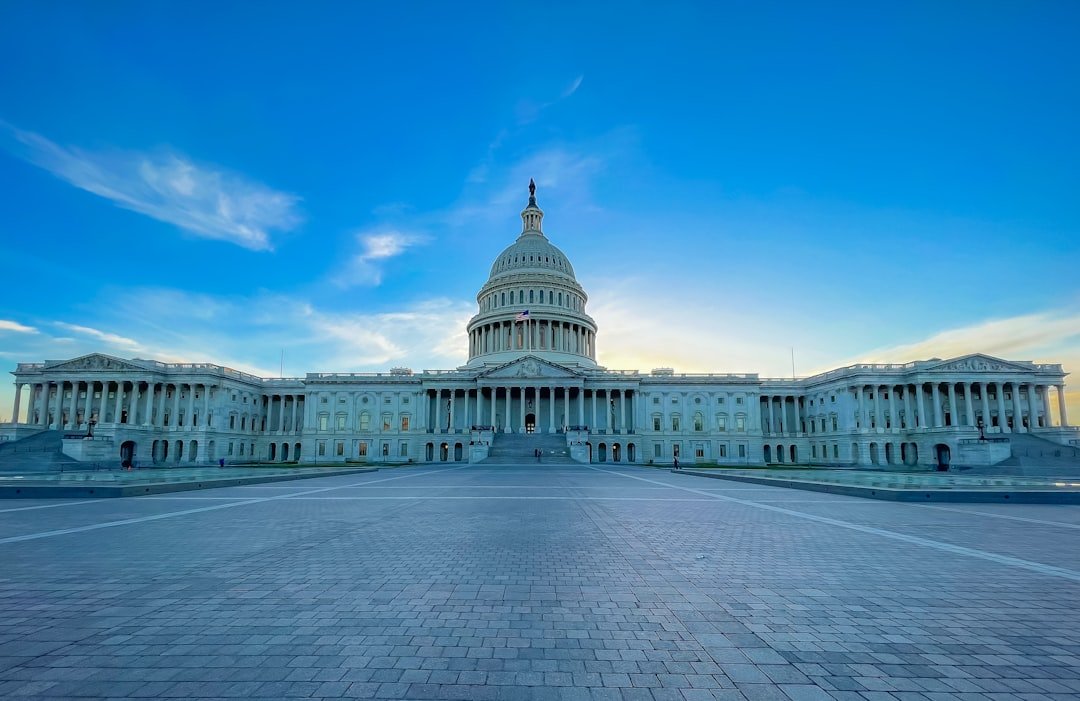
Washington just handed itself a 100% tariff trigger on two of the world’s biggest economies, and it’s already rattling energy markets. President Trump signed the ‘Lindsey O. Graham Sanctioning Russia and Iran Act of 2026’ into law Friday, September 18, after it passed the House 262-159. The legislation is now implemented, not proposed — it takes effect within 30 days and requires tariffs of up to 100% on the top five purchasers of Russian crude or natural gas by volume, unless a country’s Russian gas imports fall below 15% of Russia’s total exports and it shows ‘significant steps’ toward reducing them.
Sanctions Land as Middle East Tensions Flare
The sanctions push landed alongside fresh Middle East volatility. Iran’s Revolutionary Guard claimed to have struck the Togo-flagged tanker Trend near the Strait of Hormuz over an alleged unauthorized transit, while US Central Command reported it has redirected 105 commercial vessels to enforce a blockade against Iran. An estimated 60 million barrels of Iranian oil now sit trapped on sanctioned ships, tightening global supply outlooks further. Domestically, the Baker Hughes rig count rose by 4 to 595, with oil rigs up 2 to 452, signaling US producers are still ramping activity despite the turmoil. Separately, Kansas City Fed President Jeffrey Schmid backed the Fed’s move to a 3.75%-4.00% rate range, citing inflation running ‘hot’ above 3%, while Canada’s government pressured Stellantis to reopen its idled Ontario plant or repay government subsidies rather than sell the facility to armored-vehicle maker Roshel.
What This Means for Your Portfolio and Wallet
Energy-importing economies like India face a direct cost calculus: absorb tariffs of up to 100% or pivot away from discounted Russian crude, either of which could raise fuel and shipping costs globally. Combined with a higher Fed funds rate, borrowing costs and energy bills are both pointing in the same uncomfortable direction for households.
Strategic Positioning & Defense Ideas
With tariff risk, oil-supply disruption, and rate hikes converging, diversification across asset classes, energy hedges, and maintaining cash reserves for volatility remain standard defensive tools worth considering. Disclaimer: This analysis is for educational and informational purposes only and should not be construed as financial or investment advice.
What to Watch Next
Watch for the 30-day implementation window on the new sanctions law, India and China’s response on Russian energy purchases, and further Strait of Hormuz developments, as reported by Stock Market Watch and The Economic Times.
Sources: Stock Market Watch, The Economic Times