Brent crude fell 83 cents (0.8%) to $99.49 a barrel, while WTI dropped $1 (1.1%) to $88.43, as of 0650 GMT on October 6
The Strait of Hormuz, which carries 20% of the world’s crude oil and LNG, saw September exports near pre-war averages despite Iranian threats
The US, Canada and eight other nations issued a joint declaration accusing Iran of terrorism as President Trump said he ‘personally’ believes Tehran was behind the Flydubai attack
Seven months into a war that has kept energy traders on edge, the oil market just exhaled — a little. Brent crude slid 83 cents, or 0.8%, to $99.49 a barrel, while US West Texas Intermediate dropped a full dollar, or 1.1%, to $88.43, according to actual trading data recorded around 0650 GMT on October 6. That pullback is real and implemented, not a forecast — and it comes alongside a G7 emergency stockpile release and resilient Middle Eastern crude exports that have eased, though not erased, supply fears stemming from the conflict that began on February 28.
Tensions Rise Along Strategic Trade Routes
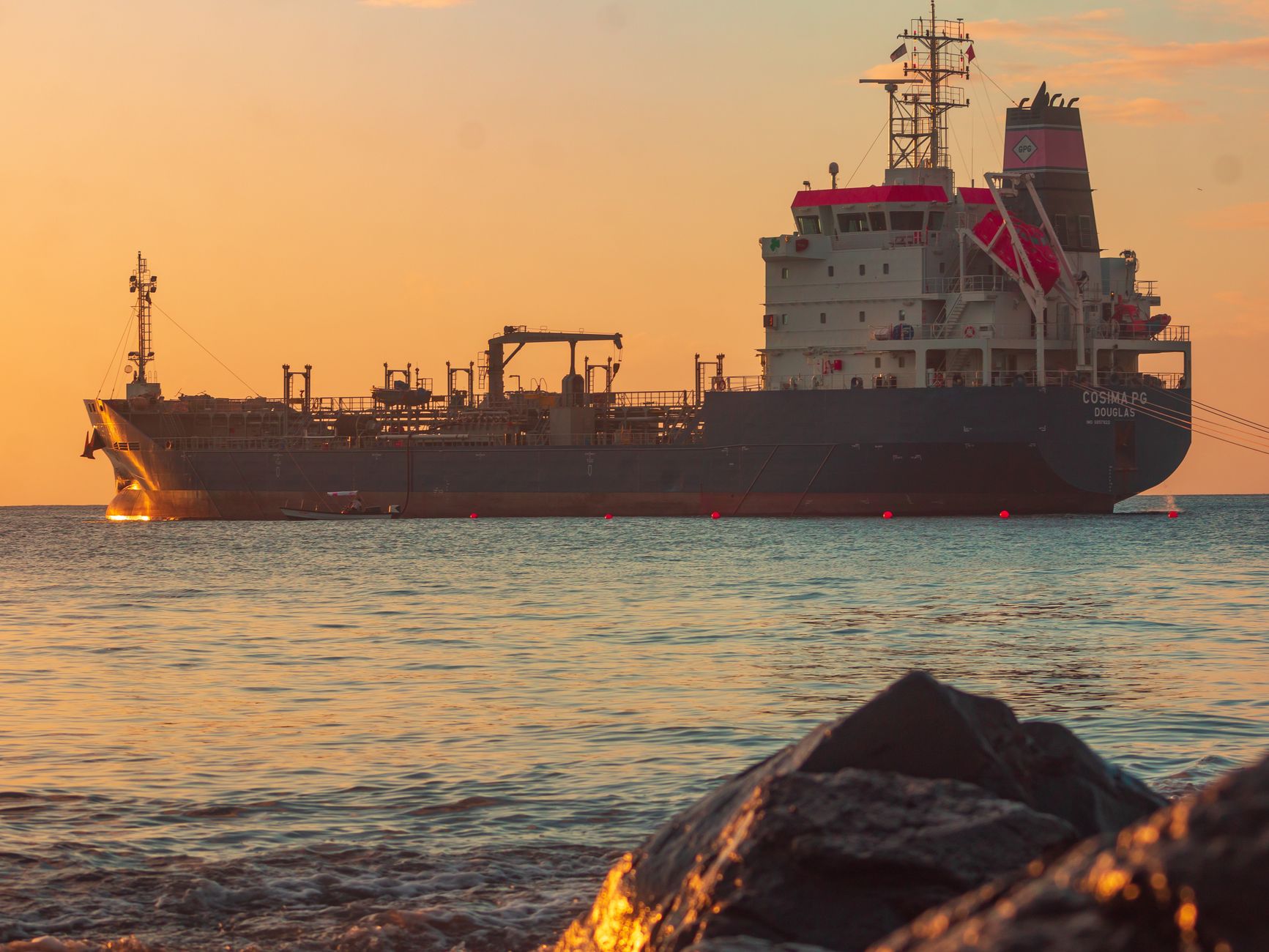
The Strait of Hormuz remains the fulcrum of this story. Roughly 20% of the planet’s crude oil and liquefied natural gas passes through this narrow chokepoint, and Iran has spent months threatening tankers that attempt the crossing. Yet Dr Pierre Pahlavi of the Canadian Forces College told Mint that Tehran’s grip is loosening: September exports crept back toward pre-war averages, and Qatar-linked LNG vessels are once again transiting the Strait. ‘That matters because Iran never needed to close Hormuz completely to gain leverage,’ Pahlavi noted — it only needed markets to believe passage was unsafe. As normalization continues, that psychological leverage is eroding, even as Iran retains the ability to impose costs. Separately, the US, Canada and eight Latin American and Caribbean nations issued a joint declaration Monday accusing Iran and its proxies of terrorist activity, while Trump said he personally believes Iran orchestrated the Flydubai attack involving an Omani co-pilot — a claim JD Vance said remains unproven.
What This Means for Your Portfolio and Wallet
Every dollar move in Brent and WTI ripples through pump prices, airline fuel surcharges, and inflation expectations. A sustained easing toward $88-$99 a barrel could take pressure off headline CPI readings, but any flare-up around Hormuz — even rhetorical — can reverse these gains within hours given how thin the ‘psychological leverage’ margin really is.
Strategic Positioning & Defense Ideas
Energy-heavy portfolios should brace for volatility in both directions. Diversifying across energy producers, holding some exposure to gold or other safe havens, and keeping a cash buffer for opportunistic rebalancing remain standard playbooks when a geopolitical chokepoint is this central to global trade. Disclaimer: This analysis is for educational and informational purposes only and should not be construed as financial or investment advice.
What to Watch Next
Watch for further Hormuz traffic data, additional G7 stockpile decisions, and the ASEAN energy security talks underway in Manila this week. Readers can follow ongoing coverage via Livemint for the latest updates.