Brent crude fell 72 cents (0.7%) to $103.53 a barrel, while WTI dropped 52 cents (0.6%) to $90.97, after President Trump said the US would not strike Iran before the November 3 midterms.
Despite Friday’s pullback, Brent remained on track for a weekly gain after jumping 4% on Thursday amid fresh attacks on tankers near the Strait of Hormuz, a waterway that normally carries 20% of global oil and fuel supplies.
Iran’s Revolutionary Guard says it struck the LPG carrier NV Sunshine, while a separate projectile strike set fire to the tanker GEM NO.2 off the UAE coast, as Washington imposed new sanctions on 17 vessels tied to Iranian crude exports.
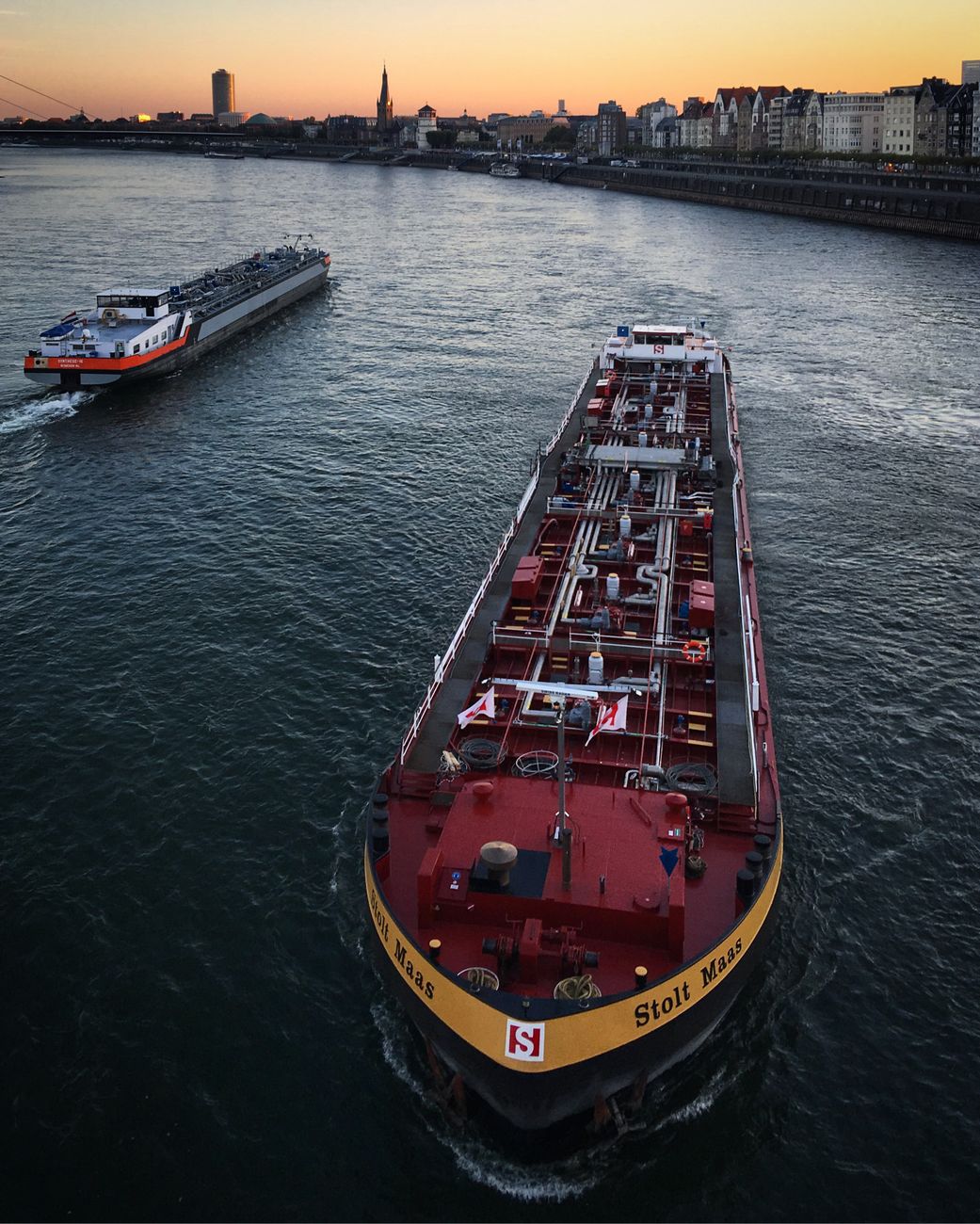
Picture a supertanker changing course in the dark to dodge a strike zone — that’s the reality for shippers moving crude through the Strait of Hormuz this week. Brent crude futures fell 72 cents, or 0.7%, to $103.53 a barrel on Friday, while US WTI crude slipped 52 cents, or 0.6%, to $90.97, after President Donald Trump said Washington was having ‘productive discussions’ with Iran and would not strike before the November 3 midterm elections. The dip is real, but so is the risk premium baked into prices: Brent still jumped 4% on Thursday alone, driven by fresh attacks on vessels carrying crude out of the Middle East, and remains on pace for a weekly gain even after Friday’s retreat. Prices remain below the $126-a-barrel peak hit earlier in the eight-month-old conflict — but they are far from settled.
Tensions Rise Along Strategic Trade Routes
Iran’s Islamic Revolutionary Guard Corps said Friday it struck the liquefied petroleum gas carrier NV Sunshine, owned by NatWit, for taking what Tehran called an ‘illegal route’ south of the Strait of Hormuz — a corridor Iran has tried to control since the war began in late February. Separately, UK Maritime Trade Operations reported a projectile strike roughly 13 nautical miles (24 kilometres) off Al Jazeera Al Hamra in the UAE that set fire to the Panama-flagged crude tanker GEM NO.2; the status of its crew and the scale of the damage were still unknown. The US added pressure Thursday with fresh sanctions on individuals, networks and 17 vessels accused of moving Iranian crude, fuel and petrochemicals. Traders are also watching Hurricane Isaias, which has already forced producers to shut in 1.3 million barrels per day, or 62.9% of current Gulf of Mexico output, as of Thursday, keeping WTI on course for only a slight weekly decline despite the storm.
What This Means for Your Wallet
Every dollar move in Brent eventually shows up at the gas pump and in the cost of anything trucked, flown or shipped to your local store — and the Strait of Hormuz is not a side alley, it is the main highway for about a fifth of the world’s oil and fuel. If attacks there escalate and insurers start charging shippers more to sail through, or tankers take longer, safer detours, those extra costs tend to land on fuel and freight bills within weeks, not months. Right now prices are still well below the $126 peak hit earlier in the conflict, which is the main reason pump prices have not spiked harder — but a single bad week of tanker strikes could change that calculus fast.
Why It Works This Way
Oil markets price in risk before it actually hits supply, which is why Brent can jump 4% on an attack with no barrels actually lost yet, then fall back once tensions cool — traders are constantly repricing the odds of disruption, not just counting barrels. Fuel prices also tend to rise quickly on bad news and fall slowly on good news, because retailers pass on cost increases immediately but are in no hurry to cut prices once wholesale costs drop. One practical step this week: check the fuel surcharge or delivery fee line on any bill you get from a retailer or logistics-dependent service, since that is usually the fastest place these swings show up before they reach the pump price. Disclaimer: This analysis is for educational and informational purposes only and should not be construed as financial or investment advice.
What to Watch Next
Markets will be watching whether Tehran’s review of a US proposal to reopen safe passage through Hormuz within seven days produces results, and whether Hurricane Isaias forces further Gulf of Mexico shut-ins. Any escalation in tanker attacks, or a reversal of Trump’s no-strike pledge ahead of the midterms, could send Brent back toward its $126 crisis peak. Check the original reporting from The Times of India and Livemint for ongoing updates on both the diplomatic track and the shipping incidents.