Saudi-backed forces claim recapture of Yemen’s Mocha port from Ansar Allah, though the Institute for the Study of War withdrew an earlier assessment amid competing battlefield claims.
U.S. Secretary of State Marco Rubio says Iran has ‘lost complete control’ of the Strait of Hormuz, with oil flows reportedly nearly unchanged despite the conflict.
Russia’s 2026 war spending is set to add $60 billion to its military budget as President Putin offers to mediate the Middle East conflict in a call with Iran’s president.
A Red Sea port city and a Gulf chokepoint are once again dictating headlines that move energy markets. Fighting around Yemen’s Mocha, a strategic position near the Bab al-Mandab strait, intensified this week as Saudi-backed Yemeni government forces claimed to have retaken the port along with coastline stretching south, while the Saudi-led coalition said it destroyed a ballistic missile launch platform in Sanaa and a storage site holding 20 ballistic missiles in Saada. These are contested, unverified claims, not confirmed facts, as the Institute for the Study of War itself withdrew an Oct. 5 assessment after Houthi forces reportedly halted government-aligned advances.
Tensions Rise Along Strategic Trade Routes
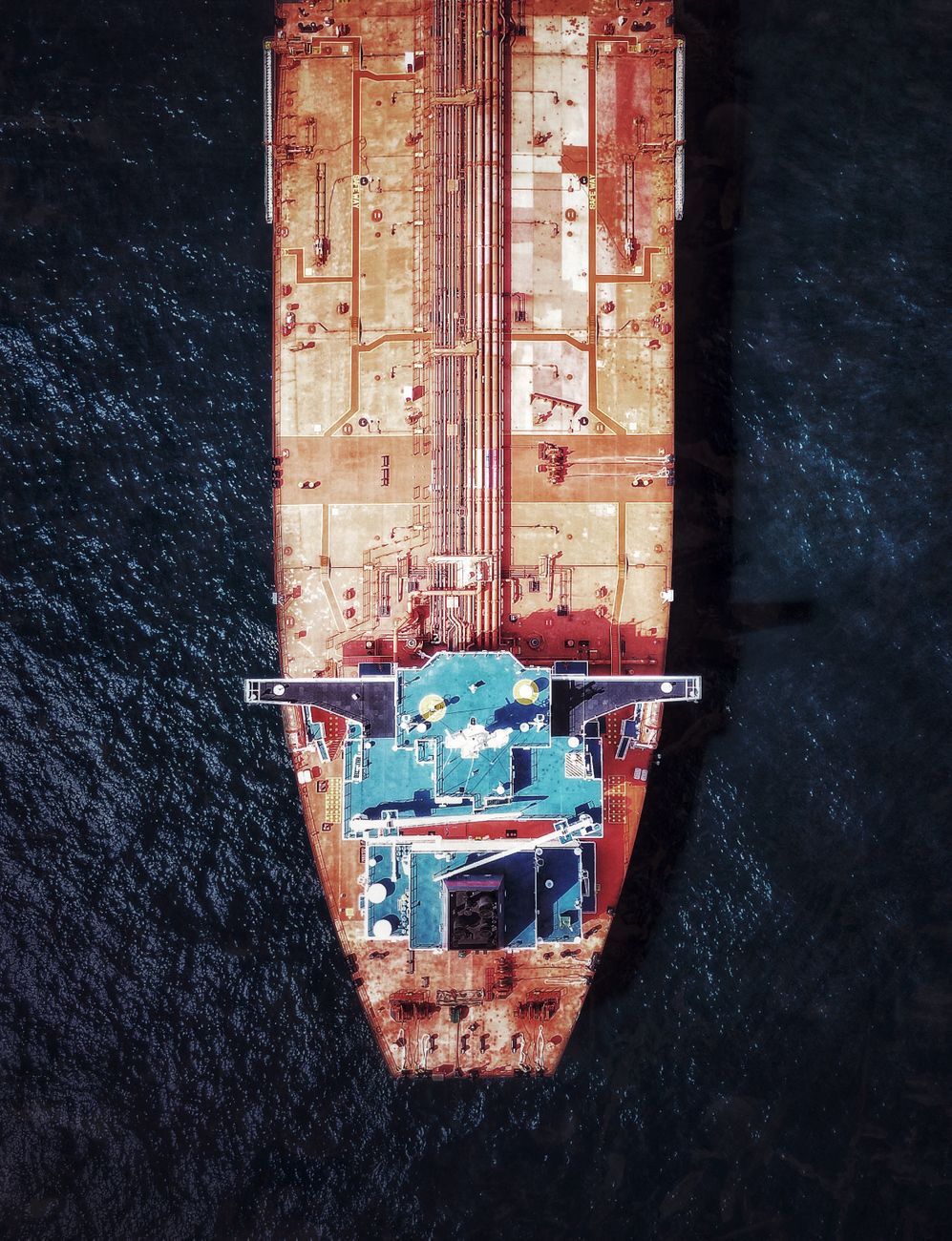
Further east, Iran has escalated tanker attacks in the Strait of Hormuz, yet Secretary Rubio, speaking in Athens during the U.S.-Greece Strategic Dialogue, insisted Iran has lost complete control of the waterway, with oil flows remaining nearly unchanged despite the ongoing conflict, a claim that stands in tension with reports of rising gas and oil prices tied to the broader war. Spot gold, often a barometer of geopolitical anxiety, fell nearly 1% to $4,123.91/oz, suggesting some investor sentiment is actually cooling even as fighting continues. Russia, meanwhile, is projected to add $60 billion to its military budget in 2026, pushing defense spending to record levels as President Vladimir Putin told Iranian President Masoud Pezeshkian that Moscow stands ready to mediate, following earlier Russian offers in April and comments from Foreign Minister Sergei Lavrov about stabilizing the Hormuz region.
What This Means for Your Portfolio and Wallet
Energy-sensitive portfolios face a two-sided risk: confirmed tanker attacks and refinery disruption threats could spike crude prices overnight, while official claims of ‘nearly unchanged’ oil flows suggest markets may be underpricing the tail risk. Gold’s near-1% dip to $4,123.91/oz shows safe-haven flows aren’t on autopilot here, meaning investors shouldn’t assume war headlines automatically mean a flight to bullion.
Strategic Positioning & Defense Ideas
Energy and defense-sector exposure, alongside a modest cash buffer, can help cushion sudden volatility from chokepoint disruptions. Diversifying away from single-region commodity bets remains a standard hedge against conflicting battlefield narratives driving price swings. Disclaimer: This analysis is for educational and informational purposes only and should not be construed as financial or investment advice.
What to Watch Next
Watch for independent verification of the Mocha port claims, any formal Russian mediation role, and whether Hormuz tanker incidents translate into confirmed shipping disruptions. Coverage via Naked Capitalism, Economic Times, and Stock Market Watch.