U.S. stock futures fell Tuesday, the first trading day after Labor Day, as Middle East tensions escalated
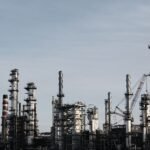
Oil prices climbed toward $100 a barrel, a six-week high, after Houthi (Ansar Allah) strikes on Saudi Arabian oil facilities
Tokyo’s Nikkei 225 shed 1.7% and Canada’s retaliatory tariffs took effect the same day
Wall Street’s return from its Labor Day break came with an unwelcome surprise: red futures screens and a barrel of oil creeping toward triple digits. U.S. stock futures fell Tuesday as escalating conflict in the Middle East pushed crude to six-week highs, with Brent crude flirting with the $100 mark after Houthi (Ansar Allah) forces struck oil facilities and tankers linked to Saudi Arabia. The move higher in oil is feeding directly into inflation expectations, which in turn pushed Treasury yields higher — a combination that rattled equity futures before the opening bell.
Tensions Rise Along Strategic Trade Routes
Iran has reportedly stepped up the tempo of its retaliation, firing on tankers and U.S. warships even as Ansar Allah escalates strikes against Saudi oil production assets, according to reporting cited by Naked Capitalism. The knock-on effect rippled through Asian markets overnight: Tokyo’s Nikkei 225 shed 1.7%, while Seoul’s Kospi and Australia’s S&P/ASX 200 also retreated as investors reassessed regional exposure to the conflict. Adding to the pressure, Canada’s retaliatory tariffs against recent U.S. trade measures kicked in the same day, layering a second source of uncertainty onto an already jittery tape.
What This Means for Your Portfolio and Wallet
Higher oil prices act like a tax on consumers and businesses alike — every dollar increase in crude eventually shows up at the gas pump and in shipping costs, squeezing household budgets and corporate margins simultaneously. If Brent genuinely breaks through $100 a barrel, expect airline, trucking, and consumer discretionary stocks to feel the pinch first, while energy producers could see a near-term earnings tailwind. Rising Treasury yields also mean higher borrowing costs for mortgages, auto loans, and corporate debt refinancing, a dynamic that compounds the squeeze on consumer spending power.
Strategic Positioning & Defense Ideas
In periods where oil, equities, and currencies all move on geopolitical headlines, investors often lean on diversification across asset classes, energy-sector hedges, and short-duration cash instruments to buffer volatility. Some also monitor gold and other traditional safe havens, which tend to attract flows when conflict escalates and yields spike simultaneously. Disclaimer: This analysis is for educational and informational purposes only and should not be construed as financial or investment advice.
What to Watch Next
Watch for further Iranian military action, any diplomatic de-escalation signals, and whether Brent crude actually crosses the $100 threshold in coming sessions. Readers can follow ongoing coverage from Yahoo Finance and Naked Capitalism for updates on both the conflict and its market fallout.