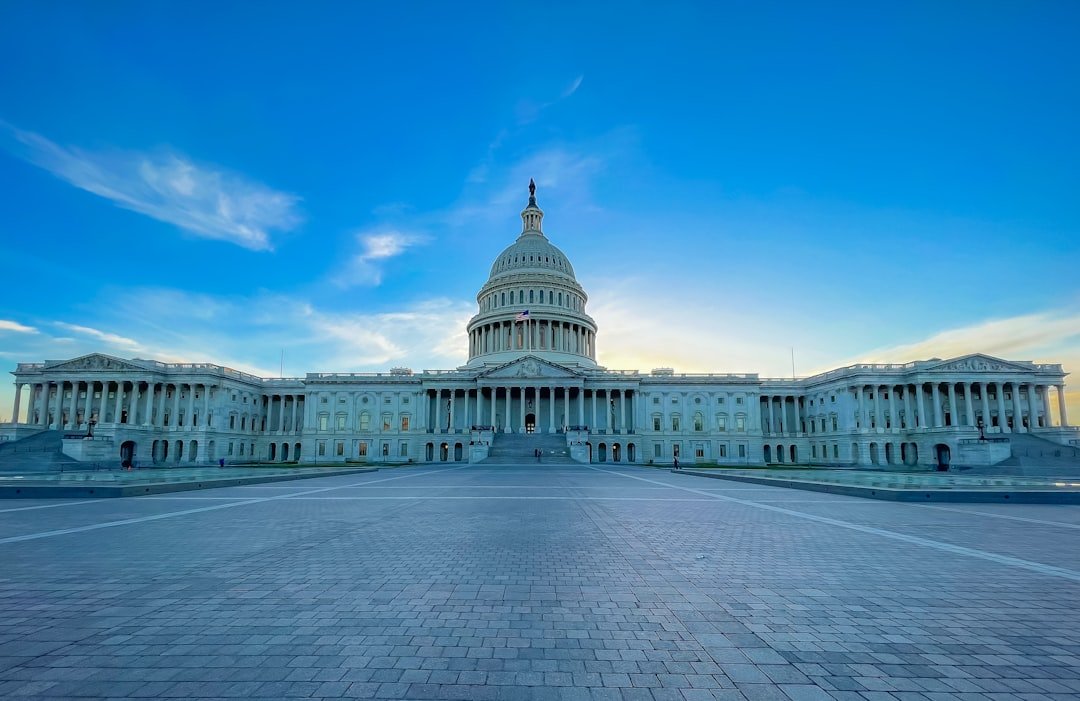
President Trump is expected to sign the Lindsey O. Graham Sanctioning Russia and Iran Act of 2026, enabling tariffs of up to 100% on countries buying Russian energy, including India and China.
Iran’s Revolutionary Guard claims to have struck the tanker Trend near the Strait of Hormuz, with 60 million barrels of Iranian oil trapped on sanctioned vessels and 105 commercial vessels redirected by CENTCOM.
The Fed’s rate range sits at 3.75%-4.00% after Kansas City Fed President Jeffrey Schmid backed a further 25-basis-point hike, citing inflation above 3%.
Three fronts of global risk collided at once this week — sanctions, oil chokepoints, and monetary policy — and traders are feeling all of it. The White House confirmed President Trump is expected to sign the ‘Lindsey O. Graham Sanctioning Russia and Iran Act of 2026’ today at 4:30 p.m., legislation that passed the House 262-159 after clearing the Senate earlier this year. Once signed, it would hand the administration authority — not yet exercised — to impose tariffs of up to 100% on nations including India and China if they keep buying Russian energy. That’s a proposed maximum ceiling, not a rate currently in effect.
Tensions Rise Along Strategic Trade Routes
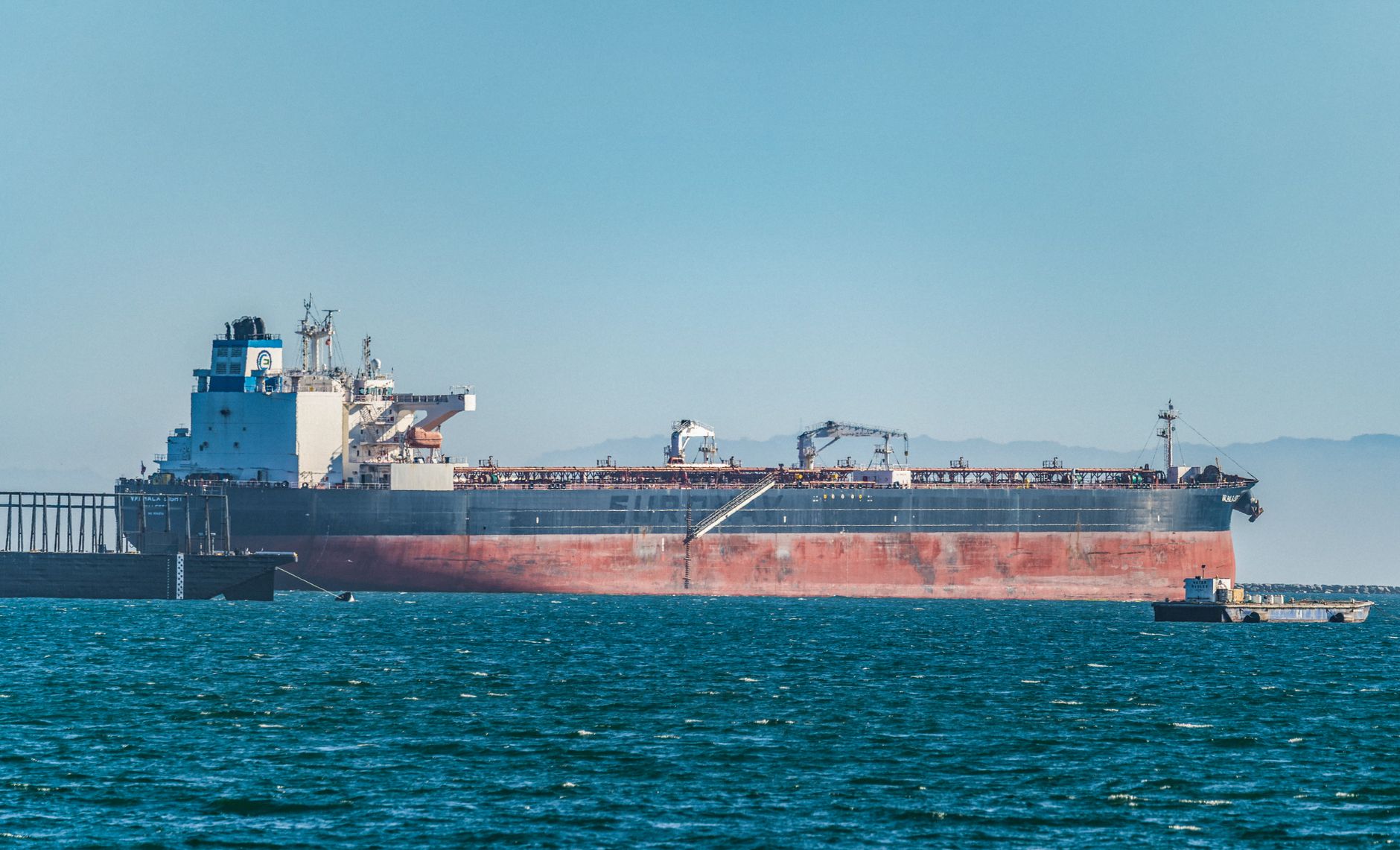
Meanwhile, an explosion near the Strait of Hormuz has rattled oil markets. Iran’s Revolutionary Guard claims it struck the Togo-flagged tanker Trend over an unauthorized transit attempt, while U.S. Central Command says it has redirected 105 commercial vessels to enforce a blockade against Iran. An estimated 60 million barrels of Iranian oil are now stuck on sanctioned ships, tightening global supply. Domestically, the Baker Hughes Rig Count rose by 4 to 595, with oil rigs up 2 to 452 — a sign U.S. production is holding steady even as global volatility spikes. Separately, Canada’s Industry Minister Mélanie Joly warned Stellantis (STLA) to reopen its idled Brampton, Ontario plant or repay hundreds of millions in federal subsidies, after the automaker floated selling the facility to armored-vehicle maker Roshel — a move Unifor warns could erase thousands of jobs.
What This Means for Your Portfolio and Wallet
Higher tariffs on energy importers and a tightening Hormuz chokepoint both point toward upward pressure on oil prices, which flows directly into gas pump costs and inflation-sensitive sectors. Add a Fed holding rates at 3.75%-4.00% with inflation above 3%, and borrowing costs for mortgages, autos, and credit cards stay elevated for longer.
Strategic Positioning & Defense Ideas
Energy and defense-sector diversification, along with traditional safe havens like gold and short-duration cash instruments, are standard educational hedges against geopolitical and rate-driven volatility. Disclaimer: This analysis is for educational and informational purposes only and should not be construed as financial or investment advice.
What to Watch Next
Watch for the bill’s formal signing, any retaliatory response from India or China on tariffs, further incidents near Hormuz, and the next Fed decision on rates. Full details via Stock Market Watch.