
Enjoying this? Get one story like this in your inbox every morning — free, 2-minute read, zero spam.
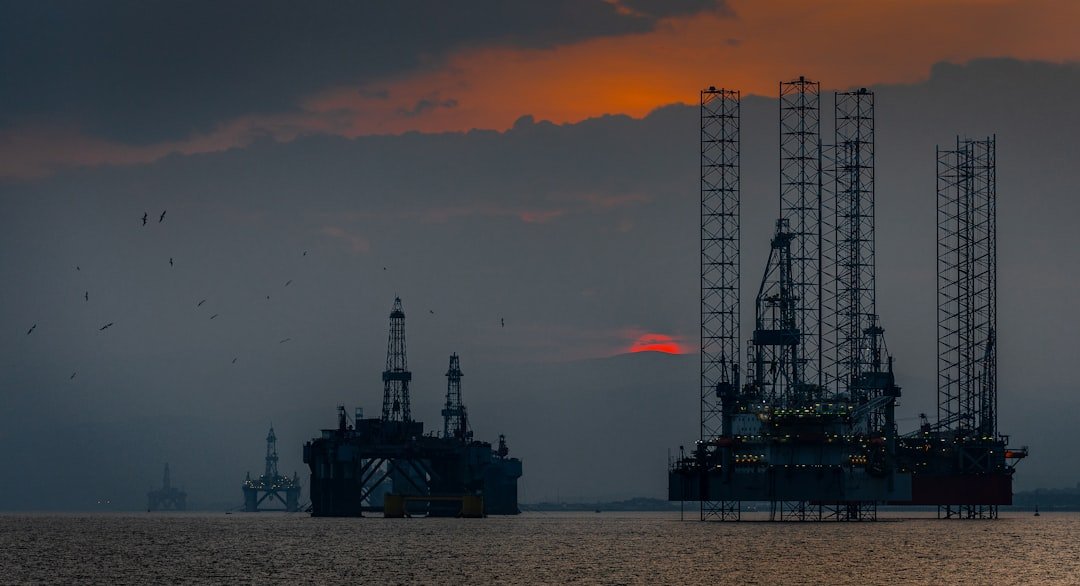
Photo by Deybson Mallony on Pexels
⏱️ 4 min read
Key Takeaways
- Russia deployed a record 2,200 attack drones, 1,650 aerial bombs, and 38 missiles against Ukraine over the past week, per President Zelensky.
- Iran’s Army Chief Amir Hatami said the military is prepared to deliver ‘heavy blows’ to the U.S. and Israel, warning the conflict has reached a ‘critical and decisive juncture.’
- Iran indicated it could reopen the Strait of Hormuz within a week — but only if the U.S. lifts its current naval blockade, tying global energy security directly to the standoff.
Two wars, two warnings, one nervous energy market. Ukrainian President Volodymyr Zelensky confirmed that Russia deployed a record-breaking 2,200 attack drones, 1,650 guided aerial bombs, and 38 missiles — a portion of them ballistic — against Ukrainian targets over just seven days, an implemented military campaign, not a projection. The strikes hit civilian and energy infrastructure across eight regions including Odesa and Kyiv, with Russian combat losses since the invasion began now estimated at over 1.5 million personnel.
Two Fronts, One Energy Chokepoint
In Odesa, officials reported a ‘mass strike’ that damaged medical facilities and grain storage units, a detail with direct implications for global food supply chains given the region’s role in grain exports. Separately, Iran’s Army Chief Amir Hatami used a Sunday address at the First National Festival of Sarbaz to declare that Iran has ‘won’ the recent phase of its conflict with the U.S. and Israel, while warning that maintaining that position requires continued military readiness and the potential for preemptive strikes. Hatami tied regional stability directly to a full foreign military withdrawal, and reiterated that the Strait of Hormuz — a corridor for a significant share of global oil shipments — could reopen within a week only if the U.S. lifts its current naval blockade.
What This Means for Your Portfolio and Wallet
Defense contractors including Lockheed Martin (LMT) and Raytheon Technologies (RTX) are reportedly seeing increased attention amid the dual escalation, a pattern typical when markets price in prolonged military demand cycles. Any disruption to Strait of Hormuz traffic carries outsized implications for energy prices globally, given the volume of oil that transits the corridor daily, while continued attacks on Ukrainian grain infrastructure add upward pressure risk to global food commodity prices.
Strategic Positioning & Defense Ideas
With energy security and food supply chains both exposed simultaneously, investors may consider standard hedges such as exposure to energy commodities, defensive sector allocations, and cash buffers to weather sudden volatility spikes tied to headline risk out of either theater. Disclaimer: This analysis is for educational and informational purposes only and should not be construed as financial or investment advice.
What to Watch Next
Watch for any formal Strait of Hormuz developments in the coming week, further Russian strikes on Ukrainian energy infrastructure ahead of winter, and U.S. policy signals regarding Iran after the midterm elections. Full details are available via Stock Market Watch.
Sources: Stock Market Watch