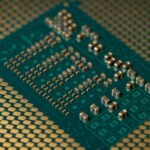
Microsoft unveiled the Surface Ultra laptop priced above $2,599, running Nvidia’s new RTX Spark AI chip, with shipping starting October 16, 2026.
CEOs Satya Nadella and Jensen Huang framed the launch as a ‘hybrid intelligence’ future, blending on-device and cloud AI processing.
The move puts Nvidia into personal computing for the first time, directly challenging Apple, Intel, and AMD in the AI-PC race.
Forget cloud subscriptions, your next laptop might just do the AI heavy lifting itself, for a price. Microsoft confirmed Wednesday its new Surface Ultra will cost $2,599 and starts shipping October 16, 2026, running on Nvidia’s state-of-the-art RTX Spark chip, first announced earlier this year. These are confirmed product and pricing details, not speculative projections, marking a concrete escalation in the AI-hardware arms race between tech’s biggest names.
Nvidia Pushes Into Personal Computing Turf
For decades, personal computing chips were the domain of Intel and Qualcomm. Nvidia’s entry via the RTX Spark marks a structural shift, allowing AI workloads to run locally rather than relying solely on remote data centers, which CEO Satya Nadella and Nvidia’s Jensen Huang both argued are slower and more expensive for many tasks. Huang went further, predicting agentic AI, autonomous systems performing tasks without supervision, will become central to software development, declaring ‘the computer has to be revolutionized.’ The launch follows Apple’s September unveiling of the Mac mini and Mac Studio, both marketed around local AI processing power, intensifying a four-way contest between Microsoft-Nvidia, Apple, Intel, and AMD.
What This Means for Your Portfolio and Wallet
A $2,599 price tag signals this generation of AI hardware is being sold as a premium category, not a mass-market upgrade, which could compress adoption speed even as it protects margins for Microsoft and Nvidia. Investors in semiconductor and PC-hardware names should watch whether ‘hybrid intelligence’ becomes a genuine sales driver or remains a niche for developers and creators, as Microsoft itself described its target buyer.
Strategic Positioning & Defense Ideas
Exposure to AI-hardware supply chains carries concentration risk tied to a handful of chipmakers and device OEMs. Spreading bets across semiconductor, cloud-infrastructure, and traditional device makers can reduce single-company dependency as this market matures. Disclaimer: This analysis is for educational and informational purposes only and should not be construed as financial or investment advice.
What to Watch Next
Watch early sales data after the October 16 launch and how Apple, Intel, and AMD respond competitively in coming quarters. Full details via Economic Times (AFP).