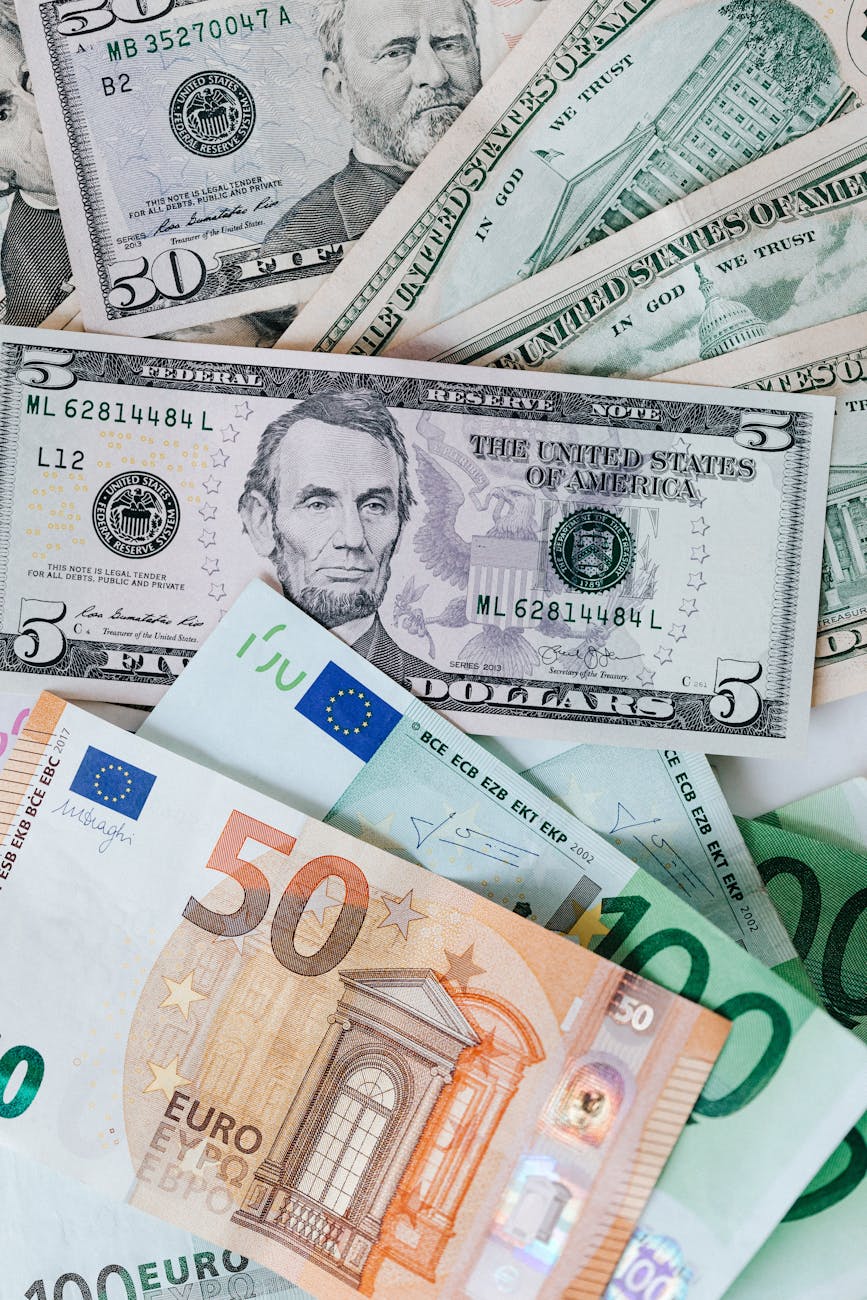
Iran’s rial crashed past 2.5 million per US dollar, a fresh record low, just 27 days after breaching the prior record of 2.2 million
US Secretary of State Marco Rubio said sanctions and a naval blockade are pushing Iran toward an economic ‘cataclysm’
The war, now in its eighth month, has repeatedly driven the currency to new lows since fighting began in February
When your currency loses value every few weeks, that’s not a slide — that’s a freefall. Traders in Tehran were exchanging more than 2.5 million rials for a single US dollar on Tuesday, an implemented, real-time market rate confirmed by The Associated Press, and a new all-time low. That milestone came just 27 days after the rial breached its previous record of 2.2 million per dollar on September 2. The currency has now hit repeated new lows since the war with the US began in February, a direct market consequence of years of sanctions compounded by fresh restrictions imposed since fighting started.
Sanctions Squeeze Tehran’s Oil Lifeline
The mechanics behind the collapse are straightforward: Washington has layered new sanctions atop a naval blockade specifically targeting Iranian oil exports, cutting off the foreign-currency revenue Tehran depends on to fund imports and, per US officials, its military and nuclear activities. US Secretary of State Marco Rubio said on Monday that Iran is heading toward an economic ‘cataclysm,’ framing the sanctions and blockade as tools to starve Tehran’s war financing. President Trump, who initially projected the conflict would last only weeks, has since suggested — as a stated projection rather than confirmed fact — that it could drag on until after the November US elections.
What This Means for Your Portfolio and Wallet
A currency crash of this magnitude effectively wipes out savings for ordinary Iranians and signals deep instability that can spill into regional risk premiums on oil, shipping insurance, and emerging-market currencies more broadly. Investors with exposure to Middle East-linked assets or funds should note that currency collapses of this scale often precede sharper capital controls or black-market premiums, adding volatility that outside investors cannot easily price.
Strategic Positioning & Defense Ideas
Geopolitical shocks like this reinforce the case for diversification away from single-region risk, holding a portion of a portfolio in traditional safe havens like gold, and keeping cash reserves flexible enough to respond to sudden headline-driven swings in oil and currency markets. Disclaimer: This analysis is for educational and informational purposes only and should not be construed as financial or investment advice.
What to Watch Next
Keep an eye on Iranian Foreign Minister Abbas Araghchi’s signals of more serious Strait of Hormuz negotiations, further US sanctions announcements, and whether the rial finds any stabilization before the November US elections. Full details via Livemint.com.