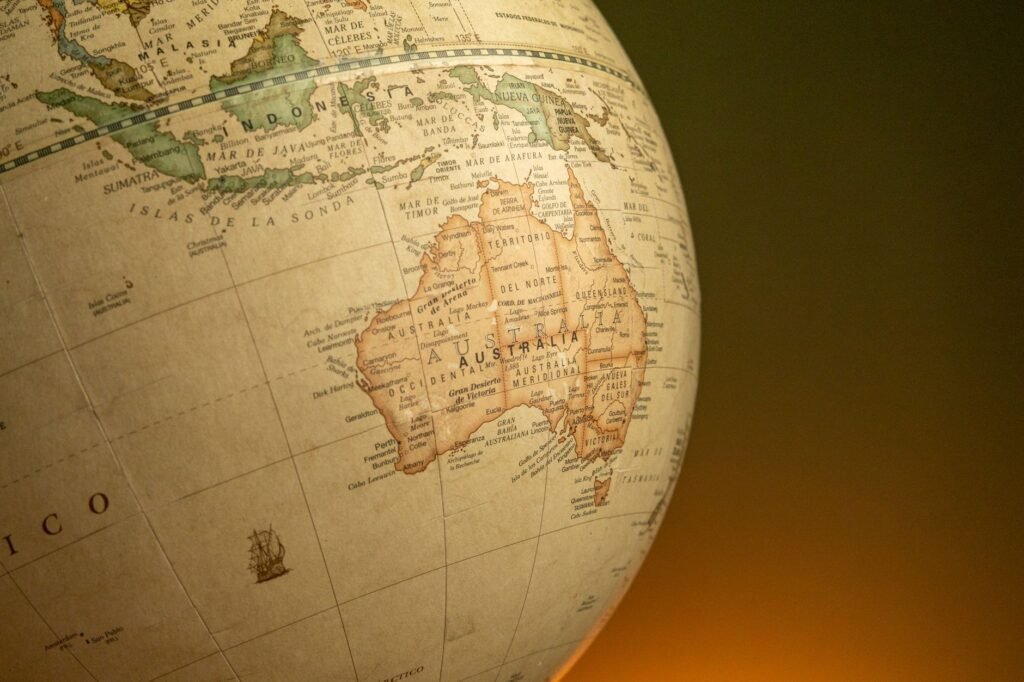
Is Australia Headed for Recession? GDP Growth Data Tells a Different Story
Australia grew 0.4% in the June quarter and 2.1% over the year, official data show, even as rate hikes, inflation and unemployment fuel recession fears.
Australia grew 0.4% in the June quarter and 2.1% over the year, official data show, even as rate hikes, inflation and unemployment fuel recession fears.

A worldwide bond sell-off has pushed US yields to 5.2% and UK yields to 5.4%, the highest since before the 2007 financial crisis, as AI-driven corporate borrowing and oil-linked inflation collide.

Washington and Beijing agree to a $60 billion ’30-for-30′ tariff framework as Northern Star rejects a $27.2 billion bid and GM warns of intensifying competition.

The US and China agreed to $30 billion in reciprocal tariff relief and a coal purchase deal, while UBS faces a $16 billion capital hike and Gold Fields eyes a $22.1 billion bid.
The Department of Energy is funding 31 grid modernization projects across 26 states, aiming to add 23 gigawatts of capacity and ease pressure from AI data centers and rising utility bills.
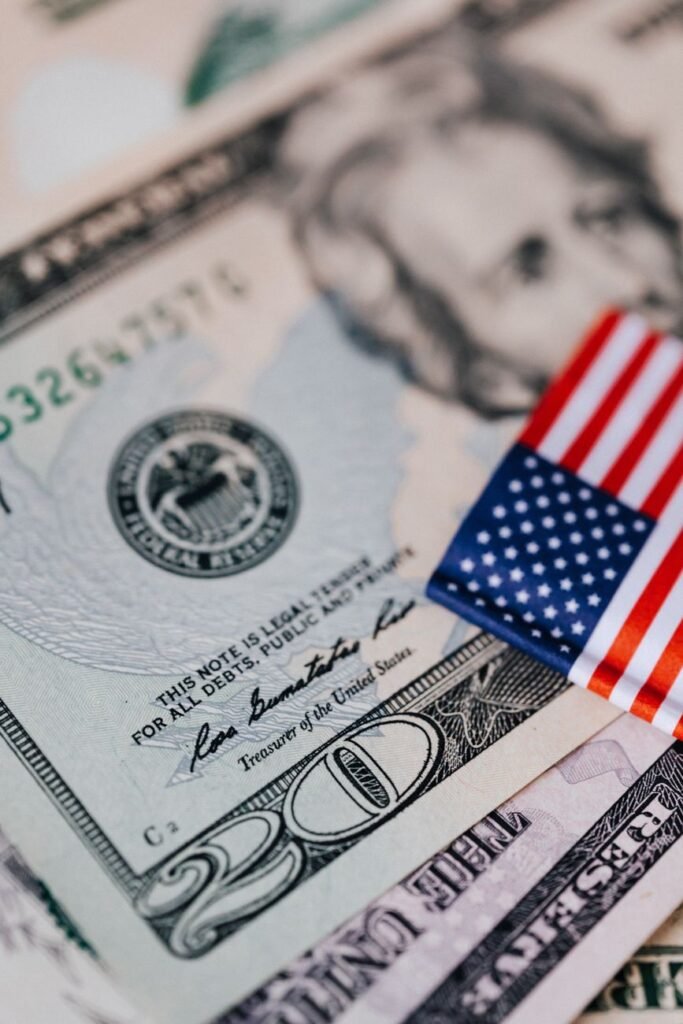
Federal debt reached $40.13 trillion in September 2026, with interest payments hitting $1.267 trillion. Here’s what the numbers mean for your wallet.

From 10% duties to a 145% tariff peak and rare-earth curbs, here’s how the US-China trade war escalated ahead of the September 24 Trump-Xi summit.

Billionaire investor Ray Dalio says a US debt crisis could hit in three years, give or take two, while Treasury Secretary Bessent argues the deficit has peaked.

Business-cycle economist Henrik Zeberg lays out a timeline for a potential downturn, arguing strong headline data masks a widening income gap. Here’s what it means for your portfolio.

Malaysia’s GDP expanded 6.0% year-over-year in Q2 2026, with RM218.5 billion in approved investments as semiconductor and data-center demand fuels one of Southeast Asia’s fastest-growing economies.