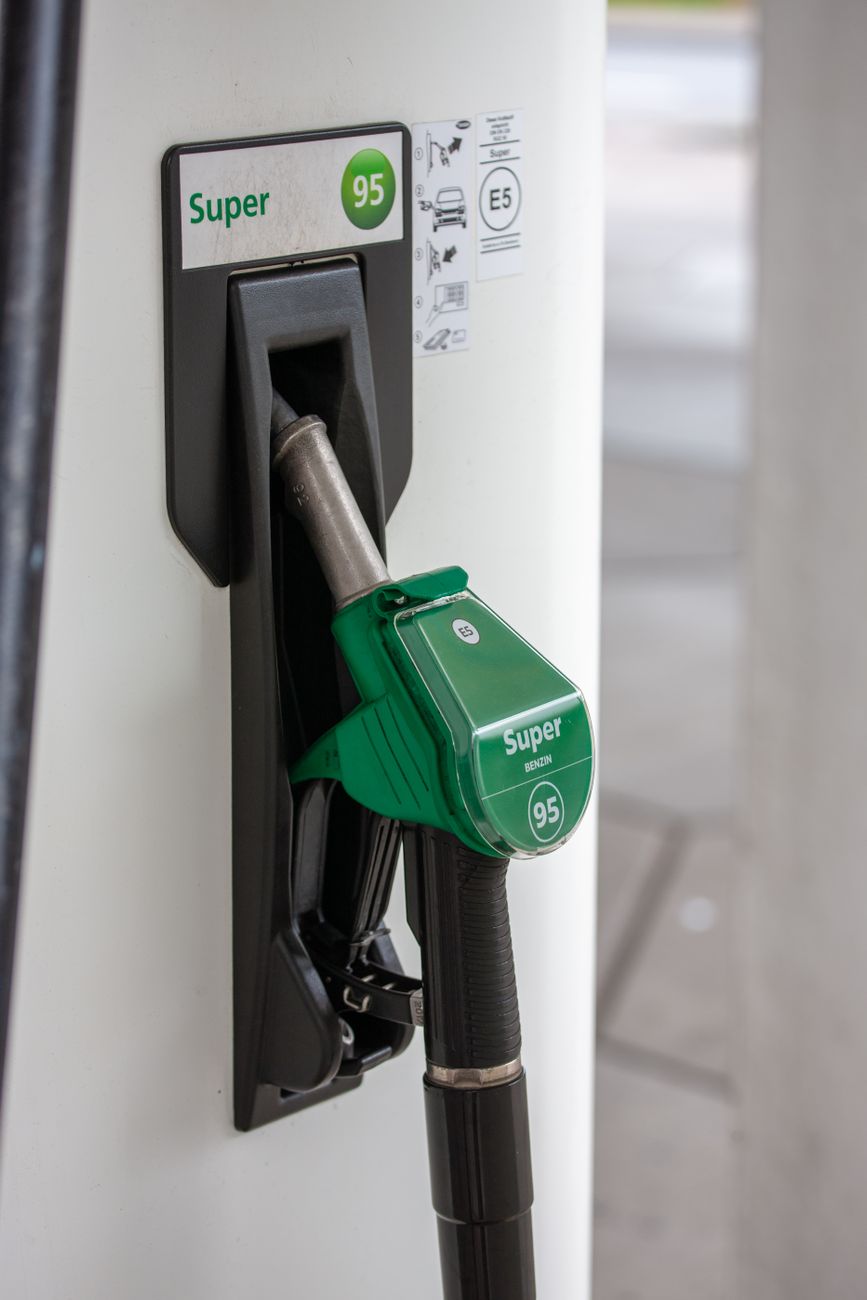
A gallon of diesel cost an average of $6.32 at the pump on Thursday, Oct. 15, 2026. That is more than 70% above the same period last year, according to AAA data reported by CNBC. The same day, member countries of the International Energy Agency agreed to release more than 20 million barrels of diesel ‘as soon as possible,’ the IEA said in a statement reported by CNBC.
Why Diesel Prices Jumped and Who Is Responding
The release follows pressure from the Trump administration, which pushed Europe to release diesel inventories after U.S. prices surged to record highs in September, CNBC reported. On Oct. 2, the Group of Seven nations, led by France, said they would deploy substantial diesel stocks over 20 days through the IEA, but they did not give specific quantities. President Trump also struck a diesel deal with Russia last week. Analysts cited by CNBC said that deal will do little to reduce prices. The IEA is headquartered in Paris and was created in 1974 after the Arab oil embargo. Its job is to maintain energy security by deploying oil stockpiles in crises such as the wars in the Middle East and Eastern Europe. It has more than 30 member states, including the United States.
How a Barrel Released Becomes a Price at the Pump
The IEA said the release equals less than one day of global diesel demand, or slightly more than five days of U.S. consumption. The IEA did not specify a timeline. If it follows the G7’s 20-day plan, members would supply about 1 million barrels a day for almost three weeks, according to CNBC. Diesel futures traded more than 1% lower Thursday at $4.86. That is a wholesale benchmark, separate from the $6.32 average retail price drivers pay at the pump. Analysts cited by CNBC said the release does not address how to increase refining capacity.
Our Math: What a Diesel Fill-Up Costs Now Versus a Year Ago
This illustration uses AAA’s reported average and the more-than-70% increase. Dividing $6.32 by 1.70 gives about $3.72. Because the rise was more than 70%, the year-ago price was at most about $3.72 a gallon. Take a hypothetical 30-gallon fill-up. At today’s price, 30 gallons times $6.32 equals $189.60. At the year-ago price, 30 gallons times $3.72 equals $111.60. The difference is $78 per fill-up. For a household or small business that fills up weekly, $78 times 52 weeks equals about $4,056 a year, or about $338 a month, if the gap holds. This is a hypothetical calculation based on national averages, not a local price. Diesel powers the trucks that move goods to stores, so higher diesel costs can feed into shelf prices. The source gives no figure for that effect.
What to Check This Week, and What Could Move Prices Next
This week, compare your local diesel price with the AAA national average of $6.32. Watch for the IEA to set a release timeline, for the G7’s 20-day deployment to play out, and for any update on the Russia diesel deal, which analysts expect to have limited effect, according to CNBC. Source: CNBC, citing the International Energy Agency and AAA. Disclaimer: This analysis is for educational and informational purposes only and should not be construed as financial or investment advice.