The Asean+3 bloc (Southeast Asia, China, Japan, South Korea) drives two-thirds of global AI-related trade growth, making it the most exposed region to any AI correction, per the Asean+3 Macroeconomic Research Office (AMRO).
A disorderly AI unwind could slash up to 1.5 percentage points off the region’s 2027 growth, which is currently forecast at 4.1% — by far the single biggest downside risk identified.
Equity markets like South Korea’s are heavily concentrated in AI names, while Japan and Hong Kong assets increasingly move in lockstep with US tech, meaning a US-based shock could hit Asia even without a local trigger.
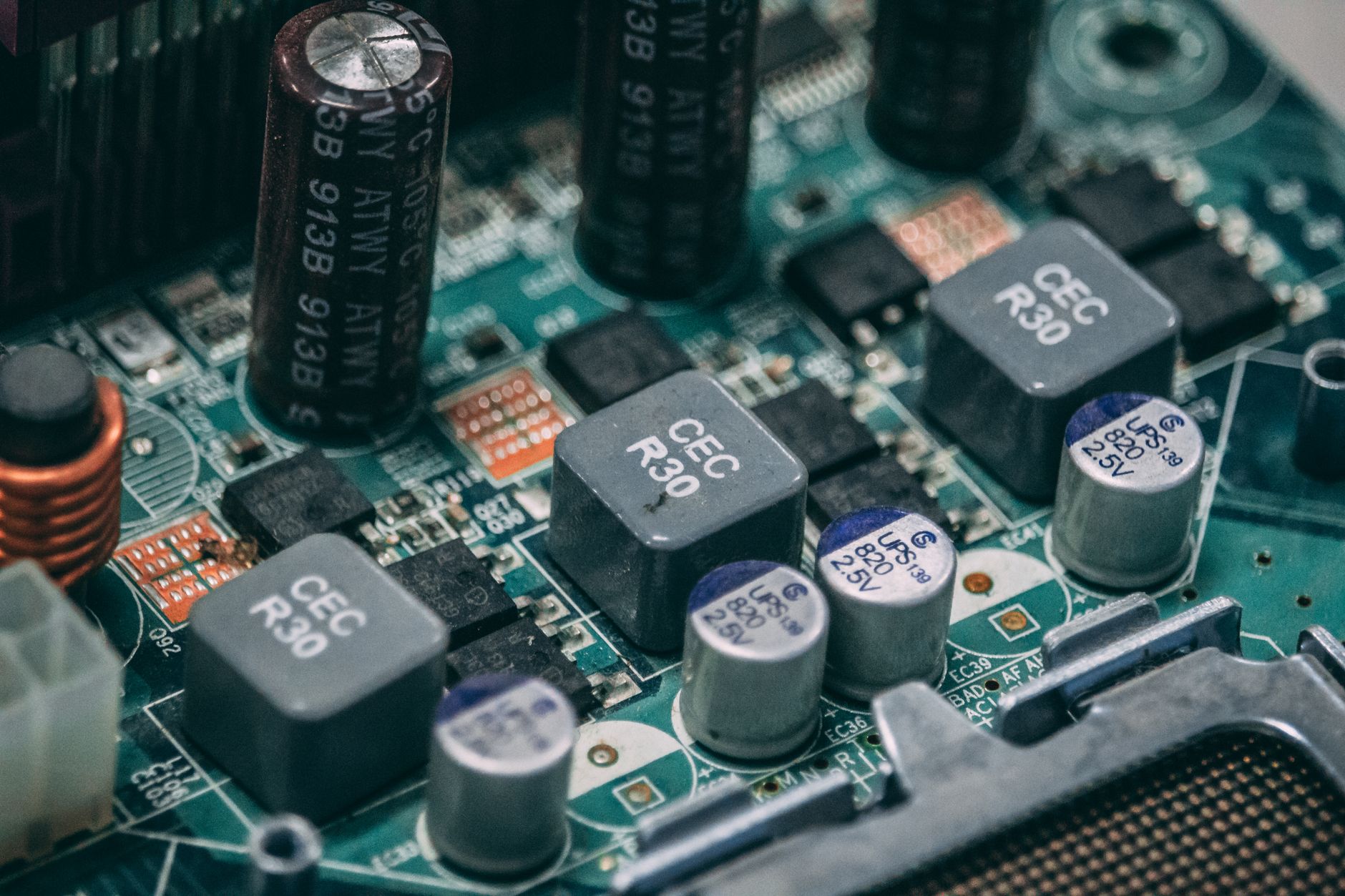
Picture the engine room of the global AI boom — chip fabs in Taiwan and South Korea, server farms in Japan, data-center components flowing out of Southeast Asia — and you’ve basically drawn a map of who gets hurt first if the AI trade cracks. That’s the blunt warning from AMRO, which said Monday that Asean+3 economies are ‘particularly exposed’ because they sit at the center of AI supply chains and are ‘increasingly integrated into AI-related financial markets.’ This is a projection, not a done deal: AMRO’s own economist, Runchana Pongsaparn, noted ‘there are some warning signals, but we would say that they are not grave yet.’ Still, the math is stark — a slowdown in AI demand could cut as much as 1.5 percentage points from regional growth currently penciled in at 4.1% for 2027.
Chips, Exports and the Domino Effect
The report lays out how a correction could ‘propagate through multiple channels’ — trade, capital flows, and financing costs. For comparison, AMRO flagged prolonged disruption in the Strait of Hormuz as good for only a 0.6 percentage point hit, meaning the AI-bust scenario is judged roughly two-and-a-half times more damaging than a Middle East oil shock. The concern isn’t abstract: record-breaking exports across the region have been propelled by global AI infrastructure spending, but investors are increasingly nervous about stretched tech valuations and circular financing arrangements where AI companies appear to be funding each other’s growth. AMRO warned that ‘a sharp correction in AI-related financial assets could spill over to the broader financial system through forced deleveraging and tighter credit conditions.’
What This Means for Your Portfolio and Wallet
If you hold emerging-market or Asia-focused tech ETFs, this is worth a second look at concentration risk. South Korea’s equity benchmark is singled out for its heavy AI tilt, while Japanese and Hong Kong markets have become shadow plays on US tech sentiment — so a Nasdaq wobble could ripple straight into your Asia allocation even without local bad news. Export-driven currencies (won, yen) and semiconductor supply chains tied to Taiwan and South Korea could also see volatility if AI capex plans get trimmed.
Strategic Positioning & Defense Ideas
Classic diversification principles apply here: spreading exposure across sectors and geographies rather than concentrating in AI-heavy indices, keeping some dry powder in cash, and considering traditional safe havens during periods of elevated tech valuations. Disclaimer: This analysis is for educational and informational purposes only and should not be construed as financial or investment advice.
What to Watch Next
AMRO says it’s tracking company valuations, leverage levels, funding sources, and underlying AI demand as early-warning indicators. Watch for updates on chipmaker earnings, Bank of Japan and Bank of Korea policy signals, and any shift in hyperscaler capex guidance. Full details via Business Standard’s reporting by Claire Jiao.