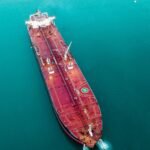
US forces struck Iranian minelaying positions on Larak Island in the Strait of Hormuz on Sunday, the first known US strike on Iran since late July.
Iran retaliated with ballistic missiles against US bases at King Hussein and Al Azraq in Jordan, while Washington cut the UAE branches of Egypt’s Banque Misr from the US financial system, with weekly new sanctions planned.
Asian refiners in China, Japan, and South Korea are now buying crude from as far as Argentina to offset lost Middle East barrels as the Strait of Hormuz — a critical artery for global energy flows — faces renewed risk.
The world’s most important oil chokepoint just got a lot scarier. In the first known flare-up between Washington and Tehran since late July, US Central Command confirmed forces struck two Iranian launchers on Larak Island in the Strait of Hormuz on Sunday, describing it as ‘limited, precise action against IRGC minelaying forces posing an imminent threat.’ Iran’s state broadcaster claims the strike killed and wounded several Revolutionary Guards members and civilians — a claim that is disputed but implemented, not projected. Iran responded within hours, firing ballistic missiles at the King Hussein and Al Azraq US bases in Jordan.
Financial Pressure Escalates Alongside Military Strikes
Beyond the missiles, Washington has already moved — as an implemented step, not a proposal — to sever the UAE branches of Egypt’s Banque Misr from the US financial system, targeting alleged facilitation of Iran-linked transactions. US officials say new sanctions on banks and other entities will now roll out on a weekly cadence to intensify economic pressure and isolate Iran’s financial networks further. Separately, buyers in China, Japan, and South Korea have started sourcing crude from Argentina to plug gaps left by disrupted Middle Eastern supply, an early signal that the conflict is already reshaping global oil trade flows rather than just rattling headlines.
What This Means for Your Portfolio and Wallet
The Strait of Hormuz carries a huge share of the world’s seaborne oil, so any mining activity or military exchange there tends to translate directly into pump prices and freight costs. Even without a confirmed barrel-for-barrel supply number in this report, the mere act of Asian refiners rerouting purchases to South America signals real friction in global crude logistics — the kind that historically pushes energy and shipping costs higher for consumers and import-heavy businesses alike.
Strategic Positioning & Defense Ideas
Geopolitical flashpoints tied to energy chokepoints are a classic case for holding some ballast in a portfolio — think diversified exposure across energy equities, commodities, and traditional safe havens like gold or short-duration Treasuries, alongside a cash buffer to ride out volatility spikes. Disclaimer: This analysis is for educational and informational purposes only and should not be construed as financial or investment advice.
What to Watch Next
Watch for further US sanctions rollouts on a weekly basis, any additional Iranian retaliatory action, and whether more Asian refiners follow China, Japan, and South Korea toward alternative crude sources. Full details are available via Livemint and Yahoo Finance.