
Enjoying this? Get one story like this in your inbox every morning — free, 2-minute read, zero spam.
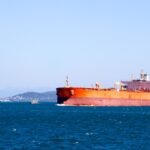
Photo by ClickerHappy on Pexels
⏱️ 3 min read
Key Takeaways
- US consumers have absorbed roughly $100 billion in higher fuel costs since February 28, averaging $760 per household, per Brown University data.
- Strait of Hormuz shipping crossings dropped 28% to just 77, while Iran claims it struck a US unmanned vessel there — a claim the US military called a ‘total lie’.
- US Energy Secretary Chris Wright says 9 million barrels a day are still moving through the strait, roughly two-thirds or more of pre-conflict flows.
Every time a missile flies near the Strait of Hormuz, American drivers feel it at the pump — to the tune of $100 billion and counting. That’s the confirmed, already-incurred cost US consumers have paid in elevated fuel prices since the conflict involving Iran began on February 28, according to Brown University data cited in market reporting. Texas has borne the brunt with an $11 billion hit, followed by California at $8 billion and Florida at $5 billion, with the average American household paying more than $760 extra. The financial toll comes as fighting flared again over the weekend: Iran claimed Sunday it struck an unmanned US vessel attempting to enter the strait, a claim the US military dismissed outright, a day after US forces reportedly struck three Iranian oil tankers in response to Navy warships being targeted with ballistic missiles.
Tensions Rise Along Strategic Trade Routes
Maritime tracking data from MarineTraffic shows a sharp divergence across global chokepoints. Strait of Hormuz crossings fell 28% to 77, with laden voyages sliding from 45 to 33, and even sanctioned ‘shadow fleet’ transits dropping from 50 to 23. By contrast, the Bab el-Mandeb strait showed resilience, with crossings recovering 9.7% to 248 and laden traffic rising from 103 to 109. Iraq, meanwhile, is struggling to sell its Basra crude after state marketer SOMO cut the discounts it had been offering to offset war-risk insurance costs, effectively raising prices even as buyers grow warier of transiting Hormuz. Energy Secretary Chris Wright told CNN that around 9 million barrels of oil a day are still flowing through the strait — about two-thirds or more of pre-conflict volumes — though he noted that flow depends on continued US Navy escorts.
What This Means for Your Portfolio and Wallet
The $760 average household hit is already showing up in gasoline receipts, and continued disruption risks pushing pump prices higher still if Hormuz flows keep declining from the current 77 crossings. Energy-sensitive sectors — airlines, shipping, and consumer discretionary — face margin pressure from elevated fuel and insurance costs, while energy producers and tanker operators could see revenue upside from war-risk premiums.
Strategic Positioning & Defense Ideas
Investors concerned about further Gulf escalation might consider maintaining exposure to traditional safe havens like gold, holding some cash reserves for volatility, and diversifying away from concentrated bets on energy-import-dependent sectors. Disclaimer: This analysis is for educational and informational purposes only and should not be construed as financial or investment advice.
What to Watch Next
Watch for further Iranian rhetoric — officials have warned US military assets will have ‘no safe haven’ in the event of further escalation — plus any change in Hormuz crossing data or Iraqi crude sales. Full details via Stock Market Watch and Business Standard.
Sources: Stock Market Watch, Business Standard