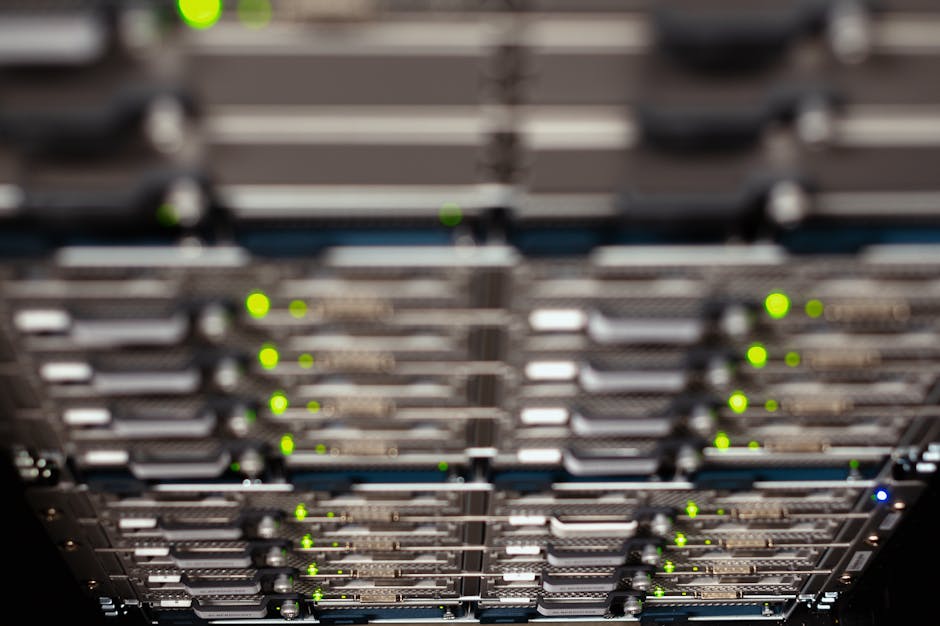
Wall Street is reportedly exploring ‘compute bonds’ — securitized debt backed by data center hardware like NVIDIA GPUs — structured similarly to auto loan and mortgage-backed securities.
Goldman Sachs CEO David Solomon and NVIDIA CEO Jensen Huang have both publicly endorsed the concept, per CNBC’s Jim Cramer.
Cramer speculates NVIDIA itself could initially issue bonds ‘by the tens of millions’ to bolster its cash program.
Your GPU could soon be doing double duty as loan collateral. On the August 11 episode of CNBC’s Mad Money, host Jim Cramer detailed a proposed financial structure where AI hardware — specifically NVIDIA Corporation (NASDAQ: NVDA) chips sitting in data center warehouses — becomes the backing asset for a new class of securitized debt, dubbed ‘compute bonds.’ This is a proposed, not yet implemented, financial instrument, Cramer was careful to frame it as something ‘we’re learning about the possibility of.’ Crucially, Cramer stressed these bonds would not carry NVIDIA’s full corporate backing, drawing a direct parallel: ‘neither are the securities based on auto loans or home loans.’
Securitizing the AI Boom’s Hardware
The mechanics mirror established markets: bundles of data center assets packaged into tradable securities, much like mortgage-backed or auto-loan-backed paper. The pitch rests on an asset-durability argument — Cramer noted that older NVIDIA chip generations ‘have held up better than cars, which are worth less than the moment they leave the lot,’ suggesting the underlying collateral doesn’t depreciate as quickly as skeptics might assume. Goldman Sachs’ David Solomon reportedly backed the logic publicly, adding institutional weight beyond NVIDIA’s own executives.
What This Means for Your Portfolio and Wallet
If compute bonds materialize as a real asset class, it could open a new credit channel for AI infrastructure buildouts without diluting equity — potentially easing some of the debt-financing strain currently supporting the AI capex cycle. For fixed-income investors, it also previews a fresh, higher-yield product tied to tech hardware residual values, though with untested default and depreciation risk given the newness of the structure.
Strategic Positioning & Defense Ideas
Any emerging securitized product warrants caution until performance data exists — investors should treat compute bonds the way they’d treat any novel structured product: small allocations, diversified exposure, and skepticism toward assumptions about asset durability until proven through a full economic cycle. Disclaimer: This analysis is for educational and informational purposes only and should not be construed as financial or investment advice.
What to Watch Next
Watch for formal issuance announcements from NVIDIA, Goldman Sachs or other institutions, and how ratings agencies approach compute-hardware collateral. Full commentary via CNBC’s Mad Money, as reported by Insider Monkey.