The S&P 500 fell 0.3%, the Dow dropped 184 points (0.3%) and the Nasdaq sank 0.6% in a second pullback since Friday’s record high
Brent crude swung between $87 and above $90 a barrel before settling at $88.91, up 1.4%, with gasoline averaging $4.01/gallon versus under $3.14 a year ago
Traders see roughly coin-flip odds of a Fed rate hike in September, per CME Group data, as July inflation is forecast to ease to 3.4% from 3.5% in June
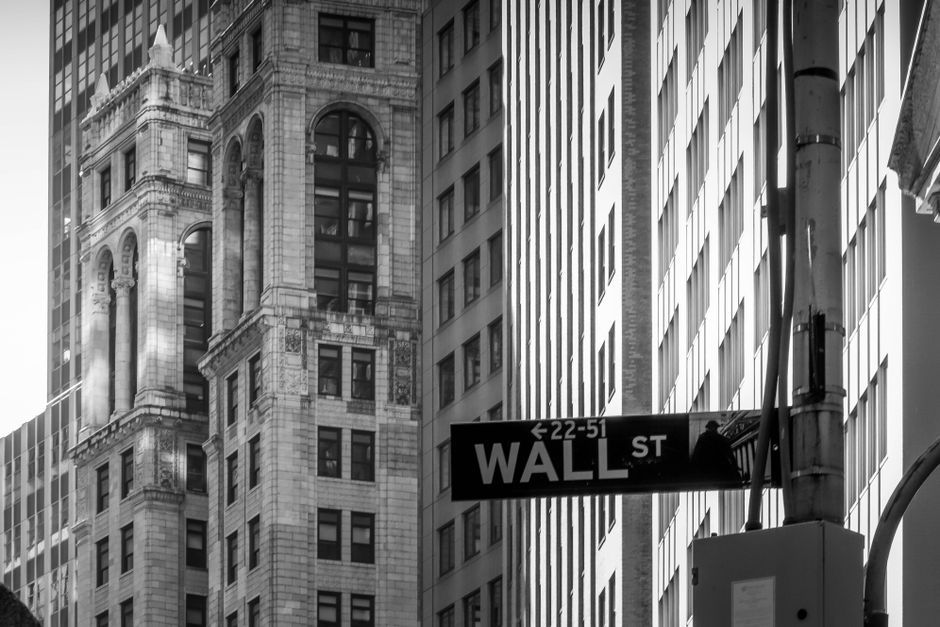
Wall Street can’t decide if it’s relieved or rattled — and oil traders are having an even rougher time of it. US stocks slipped further from record territory on Tuesday, with the S&P 500 down 0.3% for its second modest drop since notching an all-time high on Friday. The Dow Jones Industrial Average fell 184 points, also 0.3%, while the Nasdaq composite dropped 0.6%. These are confirmed closing figures for Tuesday’s session, not projections.
Oil’s Wild Ride Since the Iran Conflict Began
Brent crude briefly topped $90 a barrel Tuesday morning before sliding back under $87, eventually settling at $88.91, up 1.4% from Monday. Such swings have become routine since the US and Israel struck Iran in late February, which shut the Strait of Hormuz and bottled up much of the Middle East’s oil. Last month alone, Brent ranged between $72 and $102 a barrel. The pain shows up directly at the pump: average US gasoline prices hit $4.01 a gallon, per AAA, up from under $3.14 a year earlier, though down from nearly $4.09 last week.
What This Means for Your Portfolio and Wallet
All eyes turn to Wednesday’s US inflation report, with economists projecting a deceleration to 3.4% in July from 3.5% in June. The Federal Reserve remains split on whether to raise rates further, and CME Group data shows traders pricing in roughly 50-50 odds of a hike at the September meeting — which would be the first increase in more than three years. Higher rates could cool price growth but would also raise borrowing costs for households and businesses while pressuring stock and bond valuations; Treasury yields have already climbed since the war began.
Strategic Positioning & Defense Ideas
With rate direction uncertain and energy prices volatile, investors may consider laddering bond maturities, holding inflation-hedged assets, and maintaining diversified exposure across sectors less sensitive to oil price shocks. Disclaimer: This analysis is for educational and informational purposes only and should not be construed as financial or investment advice.
What to Watch Next
Watch Wednesday’s CPI print, the Fed’s September meeting signals, and any further escalation or de-escalation around the Strait of Hormuz. Full details via The Manila Times (Associated Press) and Entrepreneur.