Pimco’s $19 billion Balanced Income and Growth Fund has outperformed 97% of its peers over the past three years.
The fund is underweight most hyperscalers and the Magnificent Seven, citing stretched valuations and rising AI capex debt loads.
It has gone overweight Asian names like Samsung Electronics, SK Hynix, and Taiwan Semiconductor, alongside rare-earth and materials suppliers.
While everyone else is still chasing the Magnificent Seven, one of the world’s best-performing balanced funds is quietly walking away from them. Emmanuel Sharef, who runs Pimco’s $19 billion Balanced Income and Growth Fund, told Bloomberg his fund — which has beaten 97% of peers over three years — is now underweight most hyperscalers and Mag Seven names as soaring AI capital expenditures inflate debt loads, squeeze free cash flow, and stir credit concerns. Wealthy clients across Taiwan, Hong Kong, Singapore, and mainland China have been piling in, drawn by a strategy that skips the priciest AI names in favor of what builds the AI boom rather than what markets it.
Chasing the AI Supply Chain, Not the Logos
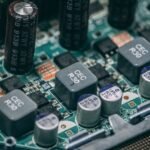
Sharef’s thesis is that the fund’s 60% equity sleeve doesn’t need to own the most expensive AI stocks to capture the AI theme. Instead it has moved further down the supply chain into semiconductor components, cooling systems, cable interconnects, optical equipment, power supplies, construction machinery, and industrial metals — the physical inputs of data center construction. That shift has translated into large positions in Samsung Electronics, SK Hynix, and Taiwan Semiconductor Manufacturing, built up over the past year, plus growing exposure to Chinese resource-extraction and materials firms tied to rare-earth supply chains.
What This Means for Your Portfolio and Wallet
For everyday investors, the signal is that AI exposure doesn’t have to mean paying Magnificent Seven multiples. Semiconductor suppliers, cooling and power infrastructure firms, and rare-earth producers are increasingly framed as a cheaper, earnings-backed way to ride the same capex wave, particularly as Chinese suppliers restrict some rare-earth shipments to the US and American firms scramble for alternative sources. That dynamic could keep upward pressure on prices for critical materials feeding chip and data-center production.
Strategic Positioning & Defense Ideas
Investors worried about concentration risk in mega-cap tech might consider diversifying into the broader AI supply chain — chipmakers, materials, and infrastructure — rather than a handful of household names, while keeping some cash on hand given how sensitive high-capex tech balance sheets are to rate and credit conditions. Disclaimer: This analysis is for educational and informational purposes only and should not be construed as financial or investment advice.
What to Watch Next
Keep an eye on further Chinese export restrictions on rare earths, US efforts to diversify supply, and whether other large asset managers follow Pimco in rotating away from the Mag Seven. Full commentary is available via Bloomberg and ZeroHedge’s original reporting.