Enjoying this? Get one story like this in your inbox every morning — free, 2-minute read, zero spam.
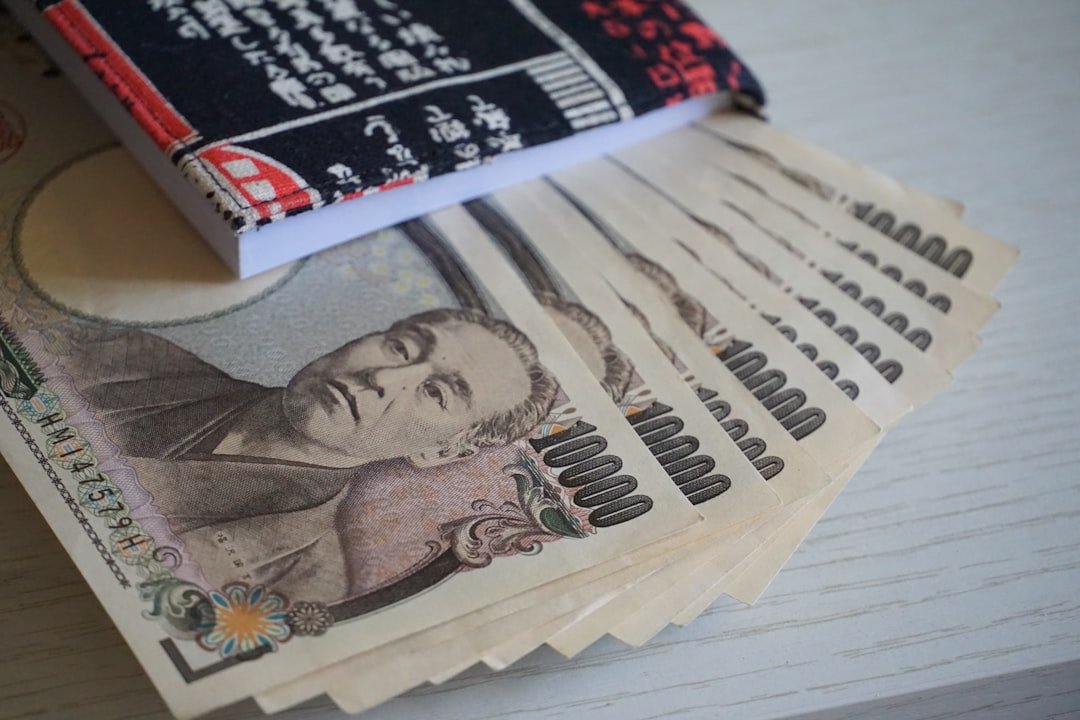
Photo by Monstera Production on Pexels
⏱️ 3 min read
Key Takeaways
- The 10-year Treasury yield hit 4.93% on Thursday, its highest level since 2023 and closing in on the psychologically critical 5% mark.
- The US Treasury announced it will buy up to $6 billion of 10- to 20-year bonds, up from the $4 billion minimum floor set last month, aiming to add liquidity.
- Treasury Secretary Scott Bessent’s ‘I am the house now’ warning has not stopped the selloff in the $32 trillion Treasury market, even as the yen hit a nearly seven-month high after joint US-Japan currency intervention.
Someone forgot to tell the bond market who’s boss. Speaking at Southern Methodist University, Treasury Secretary Scott Bessent dared traders to bet against him, declaring ‘I am the house now’ regarding US intervention in the yen. They took the bet anyway. On Thursday, yields on 10-, 20- and 30-year Treasuries surged, with the benchmark 10-year hitting 4.93% — its highest level since 2023 and a hair away from the rare 5% threshold it has only touched once in two decades. These are confirmed, implemented market moves, not projections.
Yields Climb Despite Treasury’s Buyback Push
The backstory: in late July, the US joined Japanese officials in buying yen to prop up the currency, and it worked — the yen surged to a nearly seven-month high in Asia this week. But that intervention carried a side risk: Japan, a top holder of US debt, could offload Treasuries to manage its own currency exposure, pushing US yields higher. To counter rising yields directly, the Treasury said Wednesday it would buy a maximum of $6 billion of 10- to 20-year bonds, above the $4 billion minimum floor announced the prior month. Officially framed as a liquidity measure, the buybacks also add demand that could, in theory, cap yields. So far, the market isn’t cooperating. ‘The market’s gonna give him a bit of a run over the next few days,’ said Thomas Kikis, head of markets for the US and Americas at Standard Chartered.
What This Means for Your Portfolio and Wallet
Rising yields ripple straight into mortgage rates, auto loans, and corporate borrowing costs — all becoming more expensive as the 10-year climbs toward 5%. With the government already paying roughly $95 billion a month in interest on its debt, higher yields also mean a bigger chunk of federal spending goes to debt service rather than programs, a dynamic that can pressure long-term fiscal policy.
Strategic Positioning & Defense Ideas
In periods of rising yields, some investors consider shorter-duration bond exposure, inflation-protected securities, and diversification across cash and equities to manage rate risk. Disclaimer: This analysis is for educational and informational purposes only and should not be construed as financial or investment advice.
What to Watch Next
Watch whether the 10-year yield breaches the 5% mark, further Treasury buyback announcements, and any additional US-Japan currency coordination. Full details via Fortune.com.
Sources: Fortune