Enjoying this? Get one story like this in your inbox every morning — free, 2-minute read, zero spam.
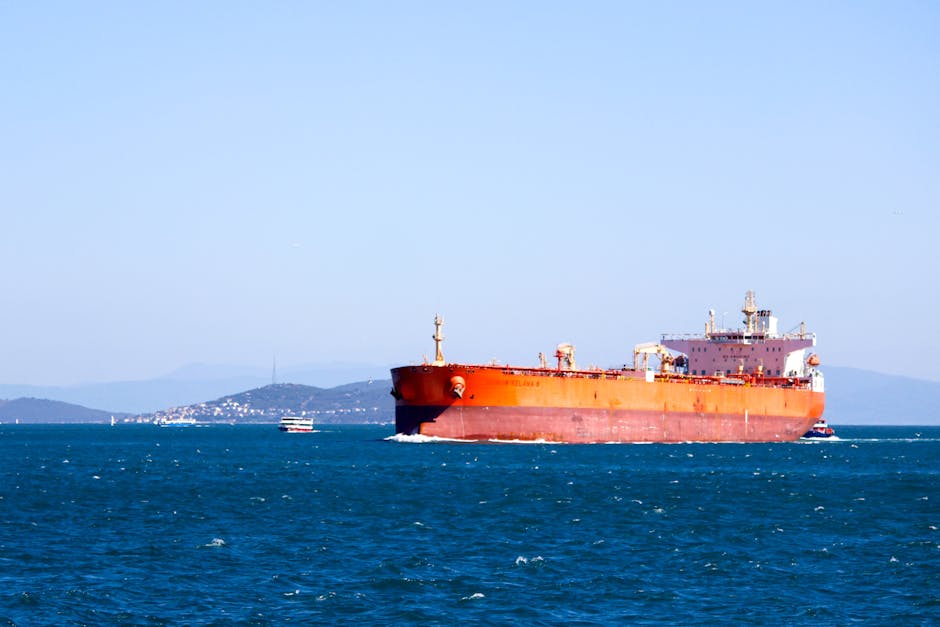
Photo by Muhammed Zahid Bulut on Pexels
⏱️ 4 min read
Key Takeaways
- President Trump claims the US has ‘total control’ over the Strait of Hormuz, calling it a ‘wall of steel’ naval blockade.
- Iran’s Persian Gulf Strait Authority insists the waterway stays closed until Tehran’s conditions are met, and a senior Iranian source says there has been ‘absolutely no progress’ reviving June’s 60-day interim peace deal.
- Trump claims Iran’s inflation has hit 300% (an unverified claim from his own statements); fresh shipping attacks on Tuesday pushed oil prices higher, and the wider conflict has killed thousands since February 28.
One of the world’s most critical oil chokepoints is once again a geopolitical pressure cooker. On Truth Social, President Donald Trump declared ‘The U.S.A. has total control over the Strait of Hormuz. I THINK WE WILL KEEP IT!’ — a claim, not an independently verified fact — while dismissing Iran’s military as gutted, saying the country has ‘no Navy,’ ‘no Air Force,’ and unpaid soldiers. He also asserted Iran’s inflation has spiraled to 300%, another figure sourced directly from his own remarks rather than official Iranian or third-party economic data. Meanwhile, Iran’s self-established Persian Gulf Strait Authority maintains the waterway remains physically blocked and won’t reopen until its conditions are accepted, according to Reuters reporting carried by Business Standard and Yahoo News.
Tensions Rise Along Strategic Trade Routes
The diplomatic freeze traces back to a June ceasefire that declared an ‘immediate and permanent termination of military operations on all fronts’ but collapsed within weeks — Trump called it ‘over’ on July 7, and Iran’s foreign ministry declared it ‘suspended’ days later. That deal had set a 60-day window, extendable by mutual consent, for Washington and Tehran to hammer out a final agreement limiting Iran’s nuclear program in exchange for sanctions relief. A senior Iranian source told Reuters there has been ‘absolutely no progress’ on the US returning to that framework, and dismissed a Turkish Anadolu news agency report claiming Pakistan had brokered a 60-day extension. Iran wants compensation for war damages spanning ’50 years of wars, attacks,’ while the US accuses Tehran of failing to reopen Hormuz as promised. Fresh attacks on regional shipping Tuesday pushed oil prices higher, though exact price levels weren’t disclosed in official statements. Thousands have died in the broader conflict, largely in Iran and Lebanon, since US and Israeli strikes began February 28.
What This Means for Your Portfolio and Wallet
Roughly a fifth of global oil and LNG flows pass through Hormuz, so any sustained blockade — real or rhetorical — keeps a geopolitical risk premium baked into crude prices. Energy-heavy portfolios and airline/shipping stocks with high fuel exposure are most sensitive to headline swings here. Even without a hard number confirming barrel prices, traders should expect volatility spikes every time Trump or Iranian officials issue statements, since headline risk alone moves futures markets ahead of confirmed physical disruptions.
Strategic Positioning & Defense Ideas
Investors worried about a genuine supply shock might consider diversifying into broad commodity exposure, energy sector ETFs, or classic safe havens like gold and short-duration Treasuries as ballast against an oil price spike. Cash reserves also help investors stay nimble if volatility spikes suddenly around any Hormuz escalation. Disclaimer: This analysis is for educational and informational purposes only and should not be construed as financial or investment advice.
What to Watch Next
Watch for any confirmed reopening of Hormuz shipping lanes, further mediator-led talks on reviving the June framework, and whether oil benchmarks post concrete price moves tied to this week’s shipping attacks. Full details are available via Reuters, Business Standard, Yahoo News, and Livemint.
Sources: Livemint, Business Standard, Yahoo News (Reuters)