Iran’s rial has plunged 25% against the dollar in just two months, with inflation reportedly nearing 90%, according to Bloomberg estimates cited in reporting.
The US is sending the USS Theodore Roosevelt carrier strike group and roughly 10,000 additional sailors and marines to the Gulf as Iran’s parliament speaker Mohammad Baqer Qalibaf says the Strait of Hormuz stays closed until seven conditions from a June agreement are met.
Houthi forces claimed a strike involving 26 reported hits on Sanaa and a ballistic missile/drone attack on a Saudi oil facility near Riyadh, as Ukraine says it has stabilized the Donetsk front via ‘Operation Vivaldi’.
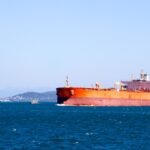
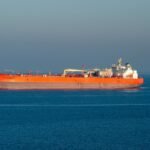
Picture a currency losing a quarter of its value in under 60 days — that is the reality facing Iran’s rial right now, and it is happening just as Washington parks an aircraft carrier off its coast. Bloomberg estimates cited in recent reporting indicate zero crude oil was shipped by tanker from Iran in September, a data point that helps explain why inflation is being reported near 90%. These are reported estimates, not confirmed government statistics, but the direction is unmistakable: sanctions pressure is biting hard. Meanwhile, President Donald Trump told reporters outside the White House that Washington will decide Iran’s fate ‘the easy way or the hard way,’ adding that Iran has been ‘decimated’ — rhetoric, not a policy announcement, but it is moving markets’ risk calculus nonetheless.
Tensions Rise Along Strategic Trade Routes
Iran’s parliament speaker, Mohammad Baqer Qalibaf, said via Nournews that the Strait of Hormuz — a vital energy chokepoint — will not reopen until seven conditions set in a June interim agreement with the US are satisfied, even after Tehran received Washington’s reply to its own diplomatic proposal. US Defense Secretary Pete Hegseth says oil flows have actually recovered toward pre-war levels thanks to intensive aerial patrols, even as the USS Theodore Roosevelt and roughly 10,000 personnel head to the region. Separately, Iran-backed Houthi forces claimed responsibility for a drone-and-missile strike on an oil facility near Riyadh and said Saudi aircraft hit Sanaa with 26 strikes — claims Saudi authorities had not confirmed at time of reporting. In Eastern Europe, Ukraine’s Volodymyr Zelenskiy says ‘Operation Vivaldi’ has stabilized the Donetsk front, with Kyiv now pivoting toward striking Russian oil refineries.
What This Means for Your Portfolio and Wallet
Every fresh Hormuz headline is a potential jolt to crude benchmarks and, by extension, pump prices and shipping costs. A currency collapsing 25% in two months inside Iran is a localized shock, but the broader Gulf military buildup — carrier groups, 10,000 troops, missile strikes on oil infrastructure — keeps a geopolitical risk premium baked into energy markets that can ripple into airline, logistics, and consumer-goods margins worldwide.
Strategic Positioning & Defense Ideas
Educationally speaking, periods like this are textbook cases for diversification across energy, defensive sectors, and traditional havens like gold, alongside maintaining a cash buffer for volatility. Disclaimer: This analysis is for educational and informational purposes only and should not be construed as financial or investment advice.
What to Watch Next
Watch for any US response to Iranian plots reportedly targeting bases like RAF Fairford and Ramstein, further Houthi-Saudi exchanges, and whether Tehran’s ‘new arrangement’ against sanctions — announced by President Masoud Pezeshkian — materializes into concrete policy. Full details are available via LiveMint and Stock Market Watch.