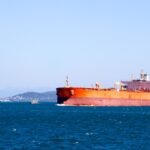
Middle East crude exports have rebounded to a war-time high even as the US-Iran conflict enters its seventh month
US President Donald Trump publicly denied a report claiming he offered Iran sanctions relief and access to frozen funds, calling it a hoax
Iran and the US held separate indirect talks through Qatari mediators on Monday, with Tehran expecting an official reply by Tuesday
Oil traders are watching a single waterway that carries roughly a fifth of the world’s crude, and right now it is caught between a naval blockade and a diplomatic tug-of-war. Despite an ongoing US blockade and sanctions regime, Middle Eastern crude exports have climbed to what CNBC describes as a war-time high, even as fighting between the US and Iran drags into its seventh month. The confusion deepened Monday when Axios reported, citing an unnamed US official, that the White House was prepared to offer Iran sanctions relief and unlock frozen funds in exchange for concrete progress on its nuclear program. Trump flatly rejected the account on Truth Social, writing ‘I offered them NOTHING!’ and branding the story a ‘HOAX.’ Notably, CNN separately reported a US official confirming that sanctions relief remained on the table if Tehran delivers real nuclear concessions — meaning as of now, no relief has been implemented; it remains, at most, a floated proposal.
Tensions Rise Along Strategic Trade Routes
Iranian Foreign Minister Abbas Araghchi, in the US since last week for the 81st UN General Assembly session, confirmed Monday that indirect talks with Washington continued through Qatari mediators, with an official reply expected by Tuesday. Any fresh negotiation is expected to revolve around an amended version of the seven-day ceasefire proposal Iran floated last week on the sidelines of the UNGA — a proposal Trump says he already rejected, telling reporters, ‘They want to make a deal where they open the Strait immediately because they’re losing so badly.’ Meanwhile, rising traffic through the Strait of Hormuz despite the blockade suggests exporters are finding ways to keep barrels moving even as the standoff persists.
What This Means for Your Portfolio and Wallet
A war-time-high in Middle East oil exports sitting alongside an active blockade is an unstable combination for energy markets — any disruption to Strait of Hormuz flows could reverse those export gains overnight, pushing Brent and WTI crude sharply higher and feeding directly into pump prices and headline inflation. Investors holding energy equities or broad commodity exposure should note that headlines around ‘sanctions relief’ versus ‘hoax’ denials can swing crude benchmarks within hours, even before any deal is implemented.
Strategic Positioning & Defense Ideas
With a seven-month conflict still unresolved and negotiations described as fragile, diversification across asset classes remains a standard hedge against sudden oil-driven volatility. Traditional safe havens — gold, short-duration Treasuries, and modest cash allocations — can help cushion portfolios if Strait of Hormuz traffic is disrupted or talks collapse. Disclaimer: This analysis is for educational and informational purposes only and should not be construed as financial or investment advice.
What to Watch Next
Markets should watch for Iran’s official reply, expected as soon as Tuesday, along with any updated ceasefire terms tied to the seven-day proposal. Continued monitoring of Strait of Hormuz shipping volumes and any shift in the US sanctions posture will be key signals. Full details are available via CNBC, Livemint, and Business Standard.