
Enjoying this? Get one story like this in your inbox every morning — free, 2-minute read, zero spam.
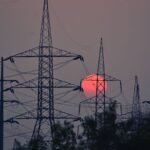
Photo by Carlos Almeida on Pexels
⏱️ 3 min read
Key Takeaways
- The Department of Energy has committed $2 billion for 31 smart-grid projects across 26 states, expected to generate over 23 gigawatts annually — enough to power roughly 16 million homes
- A $71.5 million PPL Corp project will modernize about 30 miles of high-voltage transmission line in northern Pennsylvania
- The push coincides with a Trump executive order restricting grid components from sanctioned nations like China, citing AI’s surging electricity demand
Winter is coming and so is your electric bill’s next stress test — except this time Washington is trying to get ahead of it. The US Department of Energy has committed $2 billion to modernize the nation’s electric grid with smart technology, an implemented funding decision announced by Energy Secretary Chris Wright on September 24. The investment is expected to touch around 100 million Americans, spread across 31 projects in 26 states, and is projected to add more than 23 gigawatts of electricity capacity annually — enough, per the DOE, to power roughly 16 million homes. That’s a forward-looking output estimate tied to committed, real dollars already allocated.
Grid Upgrades Race to Keep Pace With AI Power Demand
Speaking at a PPL Corp facility in Allentown, Pennsylvania, Wright described the approach as using existing fiber lines within transmission cables to sense real-time temperature and wind conditions, allowing more power to flow safely without new construction. PPL’s own piece of the pie is a $71.5 million project to modernize roughly 30 miles of high-voltage line in northern Pennsylvania — a state that already has a handful of data centers online and a half-dozen more under construction. That build-out isn’t unconstrained, though: Governor Josh Shapiro’s August executive order imposed the nation’s strictest standards on AI data centers, applying to any facility using 25 megawatts or more — enough electricity to power about 18,000 homes. Layered on top is Trump’s late-August ‘bulk-power system’ order, which bars grid components sourced from nations under arms embargoes or sanctions, particularly China, pushing manufacturing back onshore.
What This Means for Your Portfolio and Wallet
Officials frame this as a direct route to lower electricity prices and improved reliability heading into colder months — good news if utility bills have been creeping up. For investors, the story points to utility operators like PPL, domestic grid-equipment manufacturers positioned to benefit from onshoring rules, and materials suppliers tied to transmission infrastructure. The flip side: restricting component sourcing to domestic or allied producers could raise near-term project costs even as it aims to cut long-term outages and waste.
Strategic Positioning & Defense Ideas
Investors looking to play the grid-modernization theme might consider diversified exposure to utility and infrastructure sectors rather than single-stock bets, while keeping a cash buffer for volatility tied to policy shifts on data-center construction. Disclaimer: This analysis is for educational and informational purposes only and should not be construed as financial or investment advice.
What to Watch Next
Watch for rollout updates across the 31 funded projects, additional state-level rules mirroring Pennsylvania’s data-center standards, and how the bulk-power sourcing order reshapes supply chains for grid components. Full details are available via ZeroHedge and The Epoch Times reporting.
Sources: ZeroHedge