Iran’s Foreign Minister Abbas Araghchi says the Strait of Hormuz could reopen within 7 days and nuclear talks resume if Washington meets conditions tied to the collapsed Islamabad MOU
Brent crude slipped 1% to $105.56 a barrel on Friday as Hormuz vessel transits fell to just nine ships, while Houthi missiles and drones struck Saudi targets
Trump warned Xi Jinping against backing Iran; China gave conflicting signals as Senator Jeanne Shaheen linked Chinese satellite imagery to an attack that killed 3 US soldiers and wounded 4
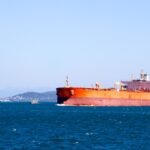
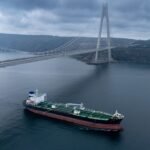
A chokepoint that normally carries roughly a fifth of the world’s seaborne oil just saw traffic collapse to nine vessels — and that’s the real headline behind Iran’s sudden diplomatic offer. Foreign Minister Abbas Araghchi told reporters at the UN General Assembly that Iran would reopen the Strait of Hormuz and restart nuclear talks within seven days, but only if the US accepts conditions already laid out in the June Islamabad Memorandum of Understanding, a ceasefire deal that collapsed in early July. This is a proposal, not a done deal — the Trump administration has already said it won’t return to the June terms. Markets, for now, are pricing modest relief: Brent crude futures for November delivery traded down 1% at $105.56 per barrel on Friday, a real, implemented price move, not a forecast.
Tensions Rise Along Strategic Trade Routes
The offer lands nearly seven months into the US-Israel military campaign against Tehran, days after Iranian President Masoud Pezeshkian fired back at Trump’s ‘annihilation’ threat at the UN podium. On the ground, Houthi forces launched a fresh wave of missile and drone attacks at Saudi Arabia Friday morning, underscoring how fragile the regional picture remains even as Iran talks peace. Simultaneously, Washington is squeezing Beijing: US Ambassador David Perdue said Trump told Xi Jinping directly that any support for Iran was ‘totally unacceptable,’ and that China assured the US on Thursday it would halt assistance. Yet a senior Iranian official told Reuters that Beijing separately promised Tehran it would not curb economic, political or military ties. The stakes go beyond diplomacy — Senator Jeanne Shaheen alleged Chinese entities supplied Iran with satellite imagery of a Jordan military base before an attack that killed 3 US soldiers and wounded 4. Meanwhile, India’s External Affairs Minister S. Jaishankar met Russia’s Sergey Lavrov and his Iranian counterpart on the UNGA sidelines, discussing BRICS cooperation and energy security just days after Trump signed a new law sanctioning buyers of Russian and Iranian oil.
What This Means for Your Portfolio and Wallet
Even a 1% dip in Brent to $105.56 still reflects a hefty geopolitical risk premium baked into oil prices. If Hormuz traffic — down to nine transits — stays depressed, expect volatility in gasoline and diesel prices, higher shipping insurance premiums on tanker routes, and knock-on inflation pressure for consumers already watching utility and fuel bills. Energy-sector equities and oil futures remain the most direct read-through, while sanctions on Russian and Iranian crude buyers could reroute global trade flows and squeeze margins for refiners exposed to discounted barrels.
Strategic Positioning & Defense Ideas
Standard playbook applies here: diversify across geographies and sectors so a single chokepoint disruption doesn’t sink a portfolio, consider modest commodity or energy-sector exposure as a hedge against oil-price spikes, and keep some cash or safe-haven assets like gold on hand for volatility spikes tied to Middle East headlines. Disclaimer: This analysis is for educational and informational purposes only and should not be construed as financial or investment advice.
What to Watch Next
The clock is now running on Iran’s seven-day window — watch for a formal US response, any further Houthi escalation against Saudi Arabia, and whether Beijing’s assurances to Washington and Tehran can both hold true simultaneously. Readers can follow ongoing coverage from CNBC, Livemint and The Economic Times for updates as this story develops.