Brent crude surged past $108 a barrel, up more than 6% in a single session and on track for its biggest weekly gain since July; WTI traded near $103.
Strait of Hormuz vessel transits fell to just 7 on Thursday from 11 the day before, well below the 10-day average of 15, as shippers grow wary of the route.
Iran-backed Houthi forces captured the port city of Mocha and are pushing toward the Bab al-Mandeb Strait, while India ramps up domestic LPG production by more than 10% to cushion import risk.
Energy traders got a real gut-check this week: Brent crude has ripped more than 6% higher in a single session to trade near $108 a barrel, its strongest weekly showing since July, while WTI sits around $103. These are actual, implemented market prices recorded this week, not forecasts. The catalyst is a fast-moving escalation in the Middle East, where fighting between Yemen-based Houthi militants and Saudi-backed forces has intensified, and Washington and Tehran have traded fresh strikes across US bases in the region. President Donald Trump, asked whether he regretted the ongoing conflict given its potential impact on the November US midterms, told Fox News he does not believe in the word ‘regret,’ adding, ‘If I had it to do again, I would do exactly as I did.’
Houthi Advance Puts a Second Chokepoint in the Crosshairs
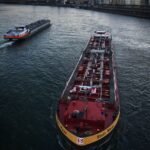
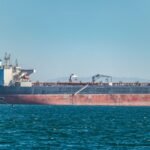
The real number to watch is traffic through the Strait of Hormuz, one of the world’s most critical oil arteries. Preliminary ship-tracking data show vessel transits fell to just 7 on Thursday from 11 the previous day, well below the 10-day average of 15 — a sharp, real-time drop, not a projection. Compounding the risk, Houthi forces seized the Yemeni port city of Mocha and are advancing toward strategic islands near the Bab al-Mandeb Strait, the southern gateway to the Red Sea. Iran’s parliamentary speaker Mohammad Bagher Ghalibaf publicly backed the Houthi advance. Meanwhile, India — a major energy importer — is responding by boosting domestic LPG output by over 10% above current levels, citing unreliable Hormuz-routed imports and a marked drop in domestic consumption since the war began.
What This Means for Your Portfolio and Wallet
A 6%-plus single-session jump in Brent has direct knock-on effects: higher pump prices, costlier jet fuel, and tighter margins for any business reliant on shipping or petrochemicals. If Hormuz and Bab al-Mandeb both see sustained disruption, insurers could raise shipping premiums further, and energy-import-dependent economies like India’s may face inflationary pressure even as they scramble to boost local supply.
Strategic Positioning & Defense Ideas
Investors have historically leaned on diversification across energy equities, gold, and short-duration cash instruments during supply-shock episodes, while some rotate into logistics-resilient sectors. None of this guarantees protection against volatility. Disclaimer: This analysis is for educational and informational purposes only and should not be construed as financial or investment advice.
What to Watch Next
Watch daily Hormuz and Bab al-Mandeb transit data, any formal ceasefire signals tied to the US midterms, and further Houthi territorial gains. Full details via livemint.com and economictimes.indiatimes.com.