Iranian strikes hit the Muwaffaq Salti Air Base in Jordan, damaging one A-10 Warthog (missing wing) and roughly 8 F-15s with light damage, per a CBS report.
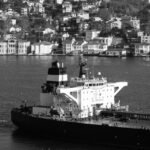
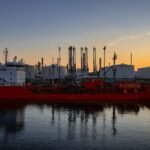
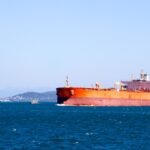
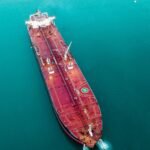
US forces fired more than 30 Patriot missiles defending the base, while CENTCOM says it has destroyed 10 Iranian tankers in the past week alone.
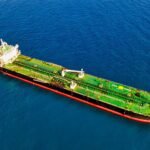
The conflict is increasingly centered on the Strait of Hormuz, a chokepoint critical to global oil flows, with Iran claiming strikes on 8 tankers and 2 warships — claims the US denies.
Forget abstract headlines about a distant war — this one is landing directly on the machinery that moves the world’s oil. Overnight Iranian strikes on the Muwaffaq Salti Air Base in Jordan left one A-10 Thunderbolt (the ‘Warthog’) with a missing wing and put roughly eight F-15s temporarily out of service before they were patched up and returned to duty, according to a CBS report citing sources on X. American forces answered with more than 30 Patriot missile interceptions, per the same reporting. These are reported operational facts from named sources and official statements, not projections — CENTCOM has confirmed it destroyed 10 Iranian tankers in the last week, tankers it describes as part of a ‘multibillion-dollar shadow network’ funding the IRGC. Meanwhile, benchmark tickers in India already show jitters: crude oil rose 47 points to 9,146, gold gained 51 points to 153,814, while the Sensex slipped 6.91 points and the Nifty fell 3.35 points — modest moves for now, but a signal markets are watching closely.
Tensions Rise Along Strategic Trade Routes
The immediate trigger was a US strike on two Iranian launchers on Larak Island in the Strait of Hormuz in late August, which Washington says targeted IRGC forces attempting to lay sea mines in the strait — the world’s most critical oil shipping corridor. Iran’s state broadcaster claims Revolutionary Guards and civilians were killed in that strike. In retaliation, Iran launched ballistic missiles at two US bases in Jordan and claims to have struck eight tankers and two warships, including a US Navy vessel. CENTCOM flatly denies any Navy ship was hit, stating ‘all IRGC attempted attacks failed.’ Regardless of whose numbers hold up, the pattern is clear: both sides are now trading direct strikes on military and commercial shipping assets near one of the planet’s busiest energy arteries.
What This Means for Your Portfolio and Wallet
Any sustained disruption to Strait of Hormuz traffic tends to show up fast at the pump and in shipping insurance premiums, since a huge share of global crude and LNG transits that route. The early tick-up in crude and gold prices reflected in Indian markets — even if small in percentage terms right now — is the kind of early warning signal that tends to precede bigger volatility if tanker losses (already at 10 in a week) continue mounting. Energy-heavy portfolios, airlines, and shipping-dependent sectors are the most exposed if premiums or freight rates start climbing.
Strategic Positioning & Defense Ideas
Standard playbook applies here: diversification across asset classes, a measured allocation to traditional safe havens like gold (already ticking up per the data above), and maintaining a cash buffer to capitalize on volatility-driven dips. Energy sector exposure can act as a natural hedge against oil price spikes tied to Hormuz disruptions, though it cuts both ways if diplomacy de-escalates tensions quickly. Disclaimer: This analysis is for educational and informational purposes only and should not be construed as financial or investment advice.
What to Watch Next
Analysts including Sina Toossi of the Center for International Policy warn this could become an ‘entrenched’ confrontation absent a clear US exit strategy — echoing debates around the Afghanistan and Iraq wars as the 9/11 anniversary approaches. Watch for further tanker strikes, any formal Strait of Hormuz shipping advisories, and CENTCOM’s next casualty and damage assessments. Full details via Reuters (The Hindu BusinessLine) and Livemint, citing CBS and CENTCOM.