The US has launched Operation Economic Outcast to isolate Iran from remaining trade partners, with the European Union now officially joining the sanctions push.
The conflict, now in its seventh month, has intensified with renewed strikes and Iranian retaliation, keeping the Strait of Hormuz — a critical global shipping chokepoint — under strain.
Rising energy prices tied to the standoff are becoming a political liability heading into November’s US midterm elections, even as officials like VP JD Vance decline to call it a ‘war’.
Six months into a conflict that keeps refusing to end, Washington is doubling down rather than backing off. President Trump’s administration has paired its ‘Operation Economic Outcast’ sanctions campaign — launched just last week — with resumed military strikes, prompting fresh Iranian retaliation against US forces in Kuwait and the UAE. Treasury Secretary Scott Bessent confirmed the European Union has ‘officially joined’ the sanctions effort, while Trump said Wednesday he doesn’t expect the conflict to drag on ‘much longer,’ though no timeline was offered.
Tensions Rise Along Strategic Trade Routes
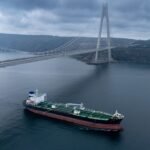
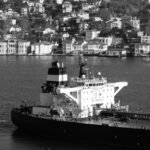
The Strait of Hormuz remains the flashpoint. Satellite imagery shows Abu Dhabi’s ADNOC still loading LNG onto tankers in the Persian Gulf despite the escalation, a signal that commercial energy flows are continuing even as military risk climbs. VP JD Vance said the administration has ‘economic, military, diplomatic, and covert’ tools still on the table, while declining to call the ongoing fighting a ‘war’ or predict when it might end before the midterms.
What This Means for Your Portfolio and Wallet
Rising gasoline and energy prices tied to the standoff are already a political sore point, and any further disruption to Hormuz shipping — a corridor critical to global oil flows — carries direct pass-through risk to pump prices and inflation readings worldwide. Investors with exposure to energy stocks, airlines, or consumer discretionary names should expect continued volatility tied to headline risk out of the region, while gold and safe-haven assets often catch a bid during these escalation cycles.
Strategic Positioning & Defense Ideas
Standard hedges in geopolitically sensitive periods include holding a portion of a portfolio in gold or other safe havens, maintaining diversified energy exposure rather than concentrated bets, and keeping some cash on hand for volatility spikes. Disclaimer: This analysis is for educational and informational purposes only and should not be construed as financial or investment advice.
What to Watch Next
Watch for further EU sanctions details, any change in ADNOC or Gulf shipping activity through Hormuz, and how energy prices trend into the November midterms. Full coverage is available via The Economic Times and Livemint.