Iran’s foreign trade has fallen nearly 35% and annual inflation has reached 66% amid US sanctions and a naval blockade
President Masoud Pezeshkian says gasoline’s third-tier price quota should double from 5,000 to 10,000 tomans (roughly $0.025 to $0.05 per liter)
The US Treasury has launched an ‘Economic D-Day’ campaign, including sanctions on Egypt’s Banque Misr for doing business with Tehran
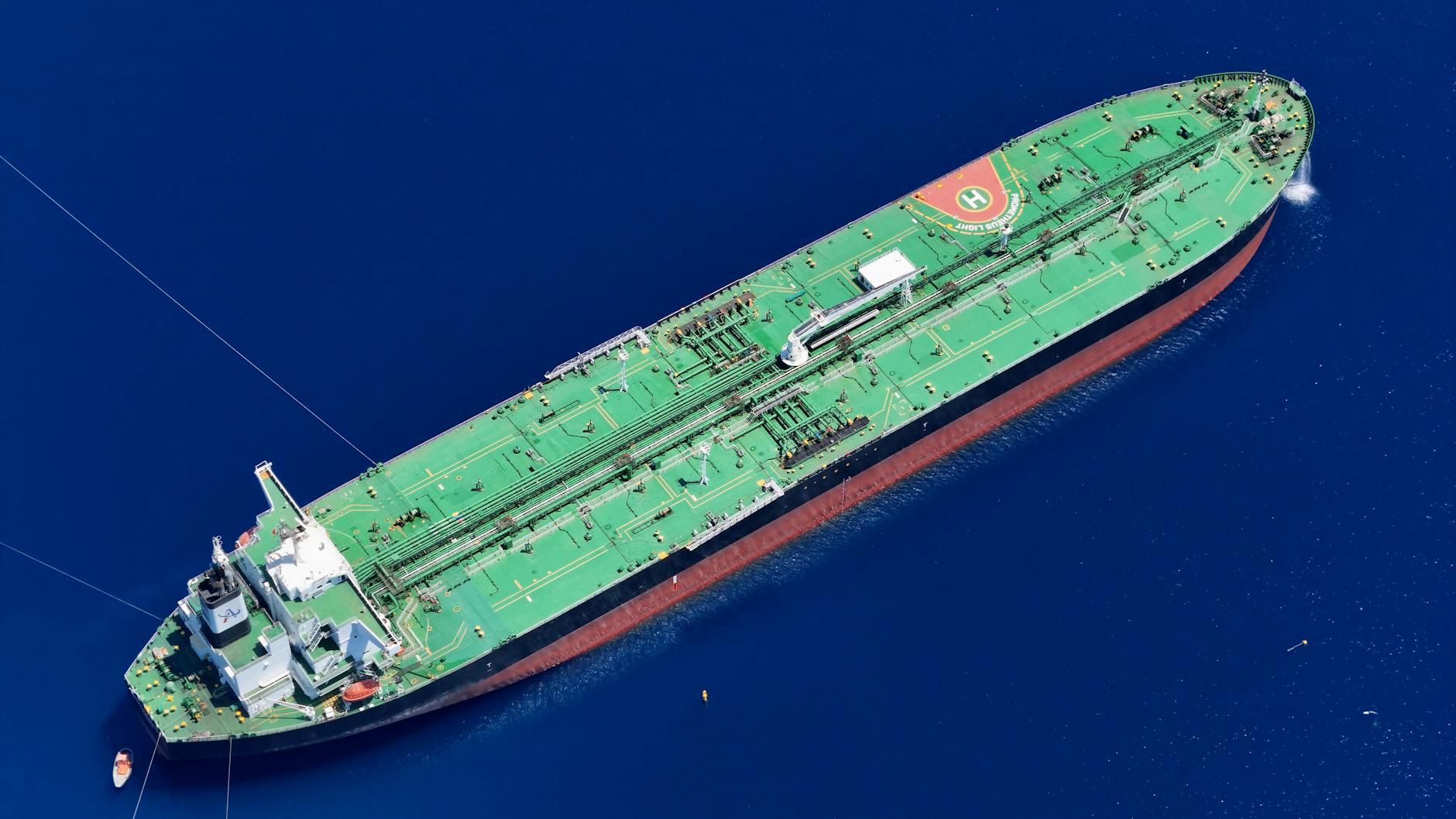
Six months into a war with the United States, Iran’s government is now openly admitting what long gas-station lines have already been telling ordinary Iranians: the sanctions are working. President Masoud Pezeshkian said Friday the country’s foreign trade has fallen roughly 35% under US sanctions and a naval blockade, with overall imports down 25% to 35% as the blockade prevents regular fuel shipments from covering domestic shortfalls. Annual inflation has climbed to 66%, according to Reuters reporting via The Hindu BusinessLine and Economic Times, and Supreme Leader Mojtaba Khamenei has urged the government to address the resulting hardship.
Iran Moves to Double Subsidized Fuel Prices
Pezeshkian proposed raising the ‘third-tier’ gasoline quota from 5,000 tomans (about $0.025) to 10,000 tomans per liter — a 100% increase that is politically sensitive in a country that has subsidized some of the world’s cheapest fuel for decades. The move follows US Treasury Secretary Scott Bessent’s unveiling of an ‘Economic D-Day’ plan, a sustained economic-pressure campaign now that military operations have paused. Washington has also sanctioned Egypt’s Banque Misr over its dealings with Tehran, proposing to cut its UAE branches off from dollar transactions, while stopping short of penalizing larger Iranian trade partners such as China and India. Some Iranian officials, meanwhile, have downplayed shortages, attributing station queues to a 10% demand surge rather than sanctions.
What This Means for Your Portfolio and Wallet
Continued friction around the Strait of Hormuz, a chokepoint for global energy flows, keeps a geopolitical risk premium embedded in oil prices. Investors with exposure to energy, shipping, or emerging-market currencies should watch for volatility tied to any disruption of tanker traffic through the strait.
Strategic Positioning & Defense Ideas
Diversifying into broad commodity or energy-sector exposure, alongside traditional safe havens like gold, can help cushion portfolios against sudden oil-price spikes tied to Middle East escalation. Disclaimer: This analysis is for educational and informational purposes only and should not be construed as financial or investment advice.
What to Watch Next
Watch for further Iranian pricing announcements, any shift in Strait of Hormuz shipping activity, and additional US Treasury sanctions actions. Full details are available via Reuters, The Hindu BusinessLine, Economic Times, and ZeroHedge.