Nvidia’s AI server prices are set to rise more than 15% on systems shipped in early 2026, including the flagship Vera Rubin and Grace Blackwell chips.
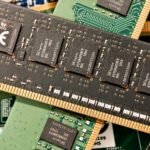
Memory makers Samsung, SK Hynix and Micron have gained massive pricing leverage as DRAM demand outstrips supply.
Nvidia currently posts a 75% gross margin, underscoring how much room chipmakers still have even as costs get passed downstream.
Even the most powerful company in tech can’t hold the line on prices forever. Nvidia Corp.’s biggest customers — the hyperscalers building out the world’s AI infrastructure — have reportedly been told that servers packed with its chips are about to cost more than 15% more, according to people familiar with the matter cited by Bloomberg. This is not a rumor or a forecast — it’s a confirmed price hike set to hit systems shipped in early 2026, hitting Nvidia’s newest and most in-demand hardware: the Vera Rubin and Grace Blackwell chip families. The culprit isn’t Nvidia’s own manufacturing but the memory chips, or DRAM, that pair with its processors, whose costs have gone through the roof.
Memory Makers Now Hold the Cards
Server builders working under contract for giants like Microsoft Corp., Alphabet Inc.’s Google, and Oracle Corp. have already notified their customers of the coming increases, which will vary depending on chip generation and memory configuration. The real story here is leverage: Samsung Electronics, SK Hynix and Micron Technology together control most of the world’s DRAM production, and despite ramping output, they still can’t keep pace with AI-driven demand. That imbalance has pushed DRAM prices up dramatically and handed these three companies unprecedented sway over an industry that used to answer only to Nvidia. Apple Inc. and Qualcomm Inc. have both said separately they’ve had to raise their own product prices because of the same chip shortages, and Nvidia has already hiked prices on its gaming GPUs too.
What This Means for Your Portfolio and Wallet
Nvidia’s gross margin currently sits at 75%, meaning it has historically been able to absorb some cost pressure — but passing on double-digit increases signals margins are getting squeezed even at the top of the food chain. For everyday investors, this ripples out: higher AI infrastructure costs could slow the pace of data center buildouts, pressure cloud margins at Microsoft, Google and Amazon, and eventually show up in higher prices for AI-powered consumer products and cloud subscriptions.
Strategic Positioning & Defense Ideas
Investors exposed to AI infrastructure names may want to watch memory-chip suppliers as a hedge, since Micron and SK Hynix are direct beneficiaries of this pricing power. Diversifying across the AI supply chain rather than concentrating purely in chip designers can help balance exposure to margin compression risk. Disclaimer: This analysis is for educational and informational purposes only and should not be construed as financial or investment advice.
What to Watch Next
Watch for Nvidia’s upcoming fiscal second-quarter earnings for commentary on margins and memory costs, along with any statements from Samsung, SK Hynix or Micron on capacity expansion timelines. For full details, check the original reporting from Business Standard and Fortune (Bloomberg).