The US is set to announce what officials call the ‘toughest sanctions in history’ on Iran Monday at 2pm EDT (1800 GMT), targeting Iran’s trading partners including China.
China buys more than 80% of Iran’s shipped oil, according to 2025 data from analytics firm Kpler, putting Beijing squarely in the sanctions’ crosshairs.
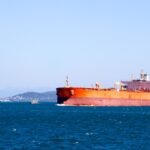
Oil shipments through the Strait of Hormuz have virtually halted as Iran threatens to strike unauthorized tankers, with the conflict now nearing six months old.
Six months into a war with no ceasefire in sight, Washington and Tehran are trading rhetorical fire while oil tankers sit paralyzed in one of the world’s most important shipping corridors. US Treasury Secretary Scott Bessent is scheduled to unveil sanctions officials describe as the ‘toughest in history’ against Iran at a press conference Monday at 2pm EDT (1800 GMT). The measures — still a planned, not-yet-implemented action — target not just Iran but its trading partners, chiefly China, which purchased more than 80% of Iran’s shipped oil in 2025, per Kpler data.
Hormuz Traffic Grinds to a Halt
Oil shipments through the Strait of Hormuz have virtually halted as Tehran clings to leverage by threatening to strike any unauthorized tanker attempting to transit the narrow waterway. That uncertainty helped push Brent crude to settle at $92.67 a barrel Friday, up 0.8%, according to market data reported alongside the standoff. President Trump said Friday that Iran ‘would love to make a deal, but they’re not ready to make the right deal, in my opinion.’ Iran’s Foreign Ministry spokesperson Esmaeil Baghaei countered that the sanctions plan amounts to ‘an assertion of extraterritorial sovereignty over every independent member state of the United Nations,’ adding that secondary sanctions ‘find no foundation in international law.’ Tehran separately described the move as ‘an abysmal return to full-scale classic colonialism’ — supporters of the sanctions frame them as necessary economic pressure, while critics call them an overreach of jurisdiction.
What This Means for Your Portfolio and Wallet
With Brent near $92.67 and Hormuz traffic frozen, energy costs remain a live inflation risk for consumers and a margin pressure point for transportation, airline, and manufacturing sectors. Import-dependent economies could see pass-through inflation if the standoff drags on, and energy-sector equities may see continued volatility tied to headlines out of Washington and Beijing.
Strategic Positioning & Defense Ideas
Given the geopolitical premium baked into oil prices, diversification into broad commodity or energy exposure, alongside traditional safe havens like gold and short-term cash instruments, are standard educational hedges against further escalation. Disclaimer: This analysis is for educational and informational purposes only and should not be construed as financial or investment advice.
What to Watch Next
Watch Monday’s Bessent press conference, China’s response to the sanctions push, and any incidents involving tankers in the Strait of Hormuz. Full reporting via Reuters, The Economic Times, and The Manila Times.