Confirmed crossings through the Strait of Hormuz fell 19.5% last week to just 95, according to Kpler data, despite US claims the waterway is open.
President Trump has instructed his negotiating team, including VP JD Vance and envoys Steve Witkoff and Jared Kushner, to halt talks with Iran for now.
The strategy is reportedly shifting from a rapid ‘hammer Iran’ approach to a longer-term ‘strangle them’ plan, with tougher US sanctions expected soon.
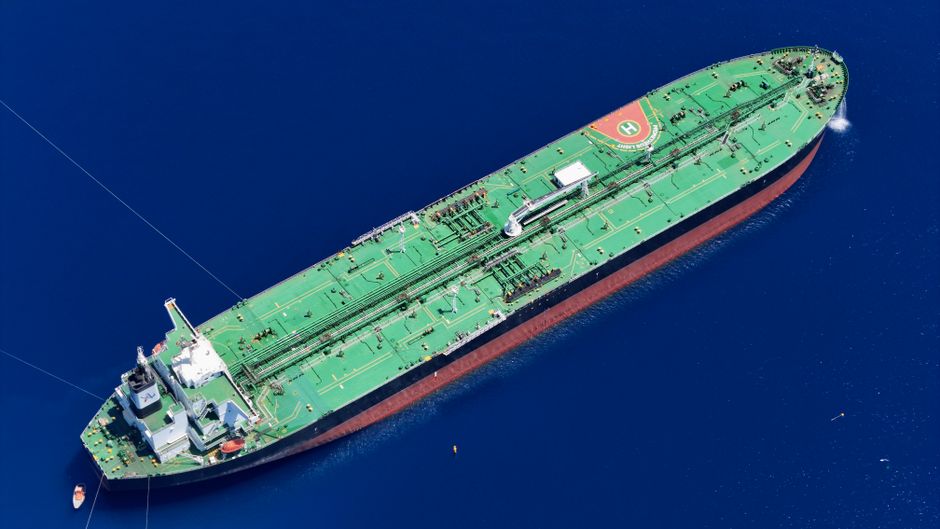
One of the world’s most critical oil chokepoints is bleeding traffic, and the numbers tell the real story regardless of the rhetoric. Confirmed crossings through the Strait of Hormuz fell 19.5% last week to just 95, according to Kpler data cited by CNN, even as President Trump insisted Tuesday the waterway is ‘open and operating’ and that mines had been removed. Ship traffic remains at a fraction of normal levels, and vessels continue to face attacks — a gap between claim and reality that is now central to Washington’s Iran calculus.
Tensions Rise Along Strategic Trade Routes
According to CNN’s reporting, Trump has directed his Iran team — Vice President JD Vance and envoys Steve Witkoff and Jared Kushner — to halt engagement with Tehran, marking a shift from seeking a fast diplomatic breakthrough toward sustained economic and military pressure. People familiar with the administration’s thinking describe the pivot as moving from ‘hammer Iran ASAP’ to ‘strangle them’ over time. Complicating matters, a parallel Iran-Oman effort to reopen the Strait is creating a separate diplomatic track that Washington must now navigate, while Trump maintains the US naval blockade remains in place. Iran has pushed back sharply on US characterizations of the situation.
What This Means for Your Portfolio and Wallet
A sustained Hormuz disruption keeps upward pressure on global oil prices and shipping insurance costs, which ultimately shows up at the gas pump and in freight-dependent goods prices. Energy-sector equities and oil-linked commodities remain the most directly exposed positions to any further escalation or new sanctions announcement.
Strategic Positioning & Defense Ideas
Investors watching this conflict often consider modest energy-sector exposure, commodity hedges, and traditional safe havens like gold, alongside maintaining cash reserves to weather sudden volatility spikes tied to geopolitical headlines. Disclaimer: This analysis is for educational and informational purposes only and should not be construed as financial or investment advice.
What to Watch Next
Watch for the announcement of tougher US sanctions on Iran, further Kpler shipping data out of the Strait, and developments in the parallel Iran-Oman track. Full details are available via CNN’s reporting as cited by The Economic Times.