
Enjoying this? Get one story like this in your inbox every morning — free, 2-minute read, zero spam.
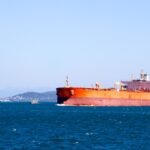
Photo by Joshua Brown on Pexels
⏱️ 4 min read
Key Takeaways
- US Defense Secretary Pete Hegseth says the Navy can sustain its Iran blockade ‘indefinitely’ by rotating more than 20 warships already deployed in the region.
- Houthi drones struck a Saudi Aramco refinery in Jizan again, sending crude prices higher, as Iran reshuffles its military command toward a more aggressive posture.
- The blockade has already redirected more than 55 commercial vessels, disabled three and boarded two; the Strait of Hormuz normally carries about one-fifth of the world’s oil and LNG shipments.
Oil traders got a fresh reminder Thursday that the Strait of Hormuz standoff isn’t cooling off — it’s hardening into a war of attrition. Crude prices spiked after Houthi forces fired two drones at a Saudi Aramco refinery in Jizan, according to Saba News Agency, part of what analysts describe as Iran’s proxy ‘counter-pressure’ campaign against Washington and its Gulf allies. Simultaneously, Defense Secretary Pete Hegseth told reporters in Panama that the US Navy can maintain its naval blockade of Iranian ports ‘indefinitely’ by rotating ships in and out, a day after President Trump declared on Truth Social that the US has ‘total control’ over the Strait, calling the blockade a ‘WALL OF STEEL.’ These are current, on-the-ground developments — not proposed future plans.
Tensions Rise Along Strategic Trade Routes
The numbers underline the stakes. Before the conflict, roughly one-fifth of the world’s oil and liquefied natural gas shipments passed through the Strait of Hormuz. Since the blockade began — following Iran’s effective closure of the waterway after US-Israeli strikes on February 28 — US forces have redirected more than 55 commercial vessels attempting to breach it, disabled three and boarded two, including a Panama-flagged ship whose engine room was hit by Hellfire missiles from a US Navy helicopter this week after it allegedly ignored warnings. Washington has deployed tens of thousands of troops and more than 20 warships to the region since the war began. On the other side, Iran has reorganized its senior military leadership toward what a top adviser to the IRGC commander, Mohammad Reza Naqdi, described as a strategy to ‘prolong this war’ and cause attrition, signaling talks remain deadlocked.
What This Means for Your Portfolio and Wallet
A prolonged blockade through one of the world’s most critical energy chokepoints keeps a persistent risk premium baked into crude prices, which can ripple into gasoline and diesel costs, airline and shipping input costs, and inflation readings more broadly. Every fresh Houthi strike or naval interdiction has the potential to trigger short-term crude price spikes, making energy markets more volatile for anyone holding oil-linked equities, commodity ETFs, or simply filling up a gas tank.
Strategic Positioning & Defense Ideas
Investors navigating this kind of geopolitical overhang often look to diversify across energy producers and consumers to balance exposure, consider defensive allocations in case of sustained price spikes, and keep some portfolio ballast in traditional safe havens given the risk of unpredictable escalation. Disclaimer: This analysis is for educational and informational purposes only and should not be construed as financial or investment advice.
What to Watch Next
Watch for further Houthi strikes on Saudi or Gulf energy infrastructure, any shift in Iran’s negotiating posture, and US Navy interdiction activity in the Strait for signs of further escalation or de-escalation. Full details via Livemint and ZeroHedge reporting.