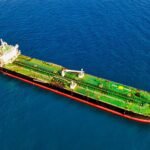
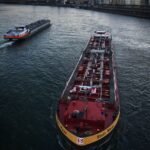
US Defense Secretary Pete Hegseth says the Navy can maintain its Iran blockade indefinitely by rotating vessels through the Strait of Hormuz, a route that normally carries one-fifth of world oil and LNG shipments
US forces have redirected more than 55 commercial vessels, disabled three and boarded two since the blockade began; more than 20 warships and tens of thousands of troops are deployed to the region
Houthi drones struck a Saudi Aramco refinery in Jizan with two drones, sending crude prices higher as Iran reorganizes its military toward a more aggressive, protracted-conflict posture
Global energy markets got a fresh jolt Thursday when Houthi forces, widely described as an Iranian proxy, launched two drones at a Saudi Aramco refinery in Jizan, according to Saba News Agency reporting cited by ZeroHedge — a strike that sent crude oil prices spiking. The attack landed the same day Hegseth told reporters the US can sustain its naval blockade of Iranian ports ‘indefinitely’ by rotating ships in and out of the region, a stance that came a day after President Trump declared ‘total control’ over the Strait of Hormuz, calling the blockade a ‘WALL OF STEEL’ on Truth Social. The strait, closed by Iran since the war began following US-Israeli strikes on February 28, normally handles roughly one-fifth of the world’s oil and liquefied natural gas shipments.
Tensions Rise Along Strategic Trade Routes
Since imposing the blockade, US forces have intercepted more than 55 commercial vessels attempting to breach it, disabling three and boarding two, per Hegseth’s comments in Panama, made after addressing the crew of the guided-missile destroyer USS Gridley. Earlier this week a US Navy MH-60 helicopter fired two Hellfire missiles into the engine room of a Panama-flagged vessel that allegedly ignored warnings. Washington maintains the blockade targets only Iranian shipping and ports. On the other side, Iran’s Revolutionary Guard adviser Mohammad Reza Naqdi signaled Tehran is prepared to ‘prolong this war’ into attrition, following a reshuffling of senior military leadership toward a more aggressive posture, according to reporting referenced from The Wall Street Journal and The Australian.
What This Means for Your Portfolio and Wallet
A sustained Hormuz standoff combined with fresh attacks on Saudi energy infrastructure is a direct lever on crude prices and, by extension, pump prices, airline fuel costs, and inflation expectations broadly. Energy and defense-linked equities tend to see outsized moves on these headlines, while consumer-facing sectors sensitive to fuel costs could feel margin pressure if the standoff persists.
Strategic Positioning & Defense Ideas
Standard hedges against prolonged geopolitical energy risk include holding some exposure to energy producers, diversifying into commodities or commodity-linked funds, and keeping a cash reserve to weather volatility spikes tied to Middle East headlines. Disclaimer: This analysis is for educational and informational purposes only and should not be construed as financial or investment advice.
What to Watch Next
Watch for further Houthi strikes on Saudi energy assets, any shift in Iran’s negotiating posture, and whether oil prices sustain their spike or fade as markets assess blockade durability. Full details via Livemint and ZeroHedge.