
Enjoying this? Get one story like this in your inbox every morning — free, 2-minute read, zero spam.
⏱️ 3 min read
Key Takeaways
- Oil prices extended gains on Monday, Sept 7, after tit-for-tat strikes between the US and Iran on vessels near the Strait of Hormuz.
- Former US defense secretary Leon Panetta warns the conflict could continue for another six months, calling it a ‘terrible stalemate.’
- Panetta outlines three possible paths for Washington, including a push to seize control of the Strait of Hormuz, a key global trade chokepoint.
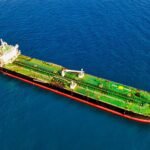
Tankers are dodging missiles in one of the world’s busiest shipping lanes, and traders are pricing in the risk. Oil prices extended gains on Monday, September 7, according to Reuters, as tit-for-tat strikes between US and Iranian forces on vessels in the Strait of Hormuz and surrounding waters heightened fears of a supply disruption. The strikes themselves are confirmed events involving US Central Command and Iran’s Islamic Revolutionary Guard Corps, but separately, ex-Pentagon chief Leon Panetta’s warning that the war could run another six months is his own projection, not a confirmed government timeline, delivered in an interview with The Guardian and reported by Livemint.
Tensions Rise Along the World’s Most Vital Oil Chokepoint
Panetta described the current state of play as a ‘terrible stalemate,’ with neither Washington nor Tehran willing to negotiate or stand down. He laid out three scenarios for President Trump: withdraw and effectively concede the war failed, let the stalemate drag on with sporadic strikes, or make retaking control of the Strait of Hormuz the primary US objective. Panetta cautioned that an unresolved standoff risks becoming another ‘forever war,’ drawing comparisons to the multi-decade US engagements in Iraq and Afghanistan. He argued the conflict only becomes ‘winnable’ if Washington shifts strategy toward reopening the strait outright.
What This Means for Your Portfolio and Wallet
Every fresh strike near Hormuz adds a geopolitical risk premium to crude, and that premium eventually shows up at the gas pump and in shipping costs for anything that moves by tanker. Energy producers and integrated oil majors tend to benefit from a sustained price floor, while airlines, trucking firms, and other fuel-intensive sectors see margins squeezed. A prolonged six-month conflict, as Panetta suggests, would also complicate the inflation picture central banks are watching closely, including the Federal Reserve’s own rate-cut calculus.
Strategic Positioning & Defense Ideas
Investors with exposure to transportation, airlines, or import-heavy retail may want to stress-test portfolios against a sustained oil price shock. Standard hedging playbooks include holding some allocation to energy equities or commodities as a natural offset, keeping a cash buffer for volatility, and considering traditional safe havens like gold if the conflict escalates further. Disclaimer: This analysis is for educational and informational purposes only and should not be construed as financial or investment advice.
What to Watch Next
Watch for further statements from US Central Command and Iran’s Supreme National Security Council, any sign of diplomatic backchannels, and how sustained higher oil prices feed into the Federal Reserve’s inflation outlook ahead of its next meeting. Full details are available via Reuters (through Yahoo Finance) and Livemint’s report on Panetta’s Guardian interview.
Sources: Reuters (via Yahoo Finance), Livemint